Understanding the Logistics Behind Large-Scale Festivals
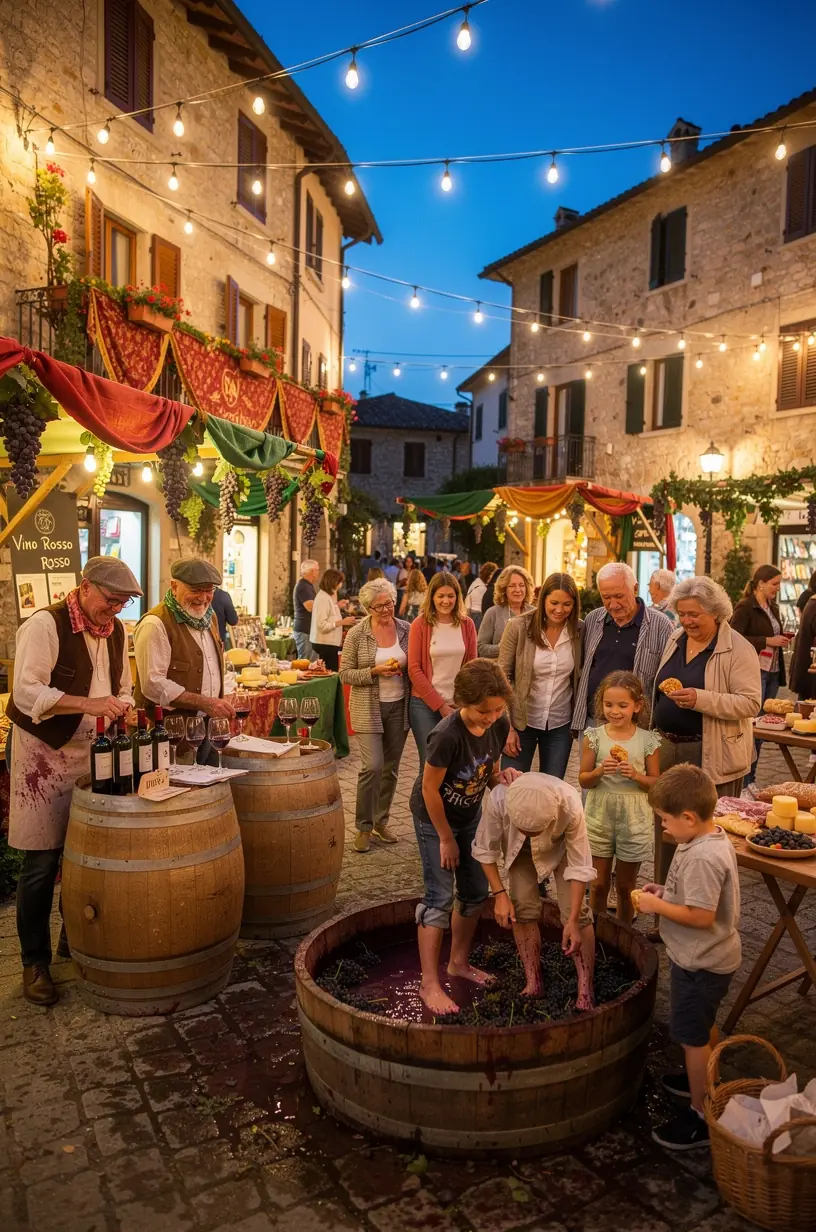
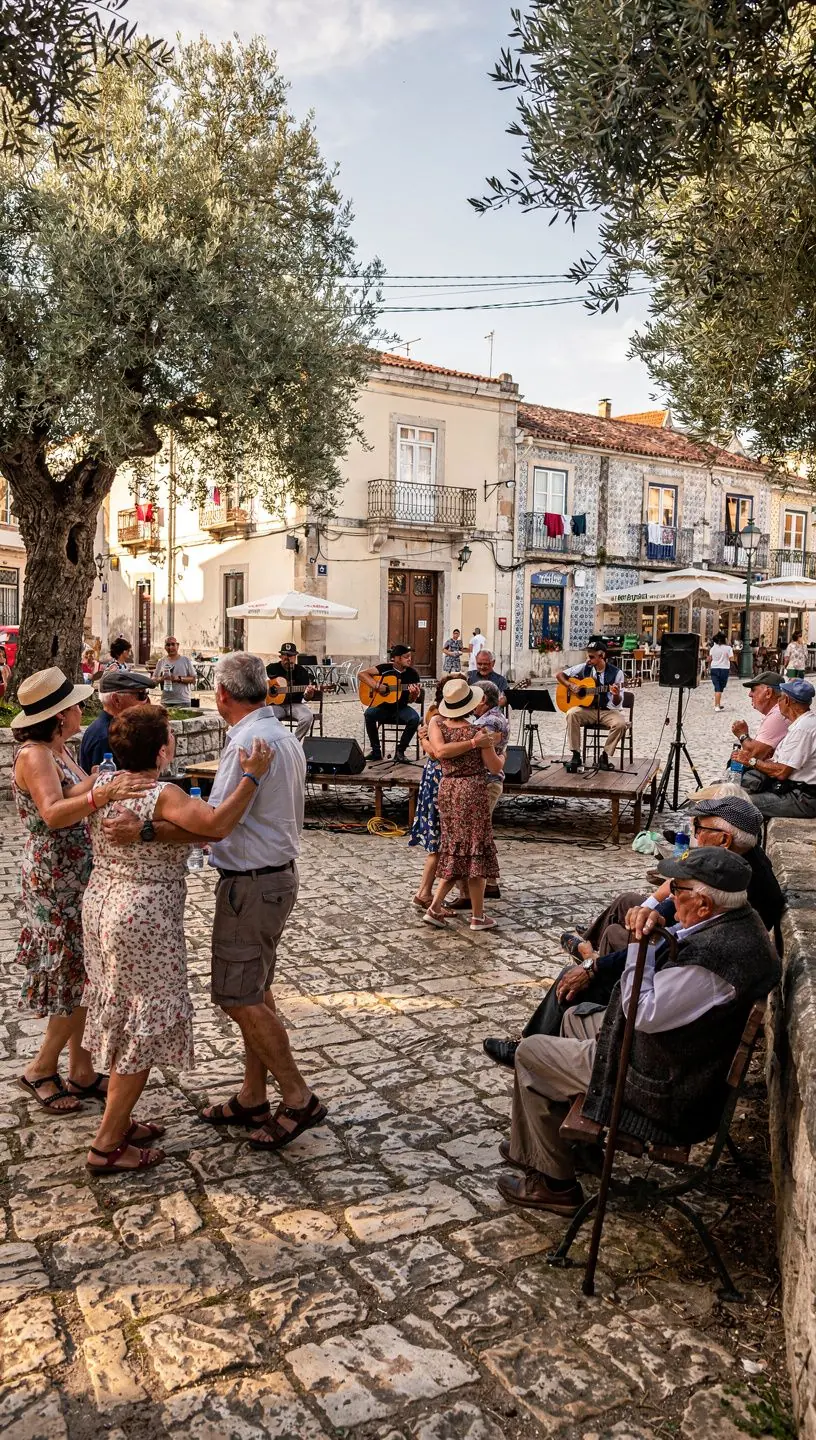
Organizing large-scale cultural festivals is a complex endeavor that involves meticulous planning and coordination. Understanding the logistics behind these events can enhance their effectiveness and ensure local participation while celebrating traditions.
Understanding the Basics
Large-scale festivals often require a combination of thorough planning, effective communication, and resource management. According to industry studies, a well-organized festival can improve community engagement and promote local culture, benefiting both organizers and attendees. The logistics involved typically include venue selection, vendor management, scheduling performances, and ensuring safety regulations are met.
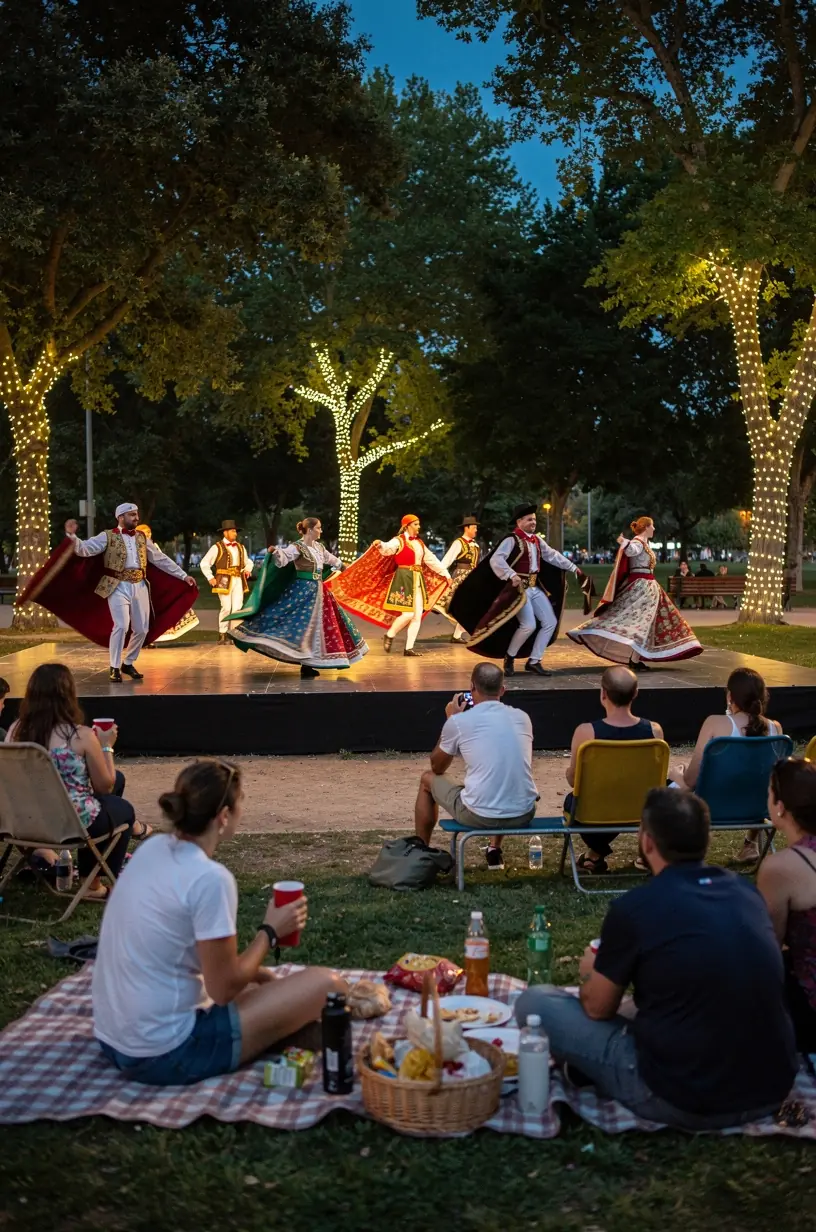
"Research indicates that successful festival planning hinges on detailed logistics management and community involvement."
Key Logistics Considerations
When organizing a festival, several key logistics factors should be considered:
- Venue Selection: The location must not only accommodate expected attendance but also reflect the festival's cultural significance. Typically, venues should be accessible and provide necessary facilities.
- Vendor Coordination: Engaging local vendors can enhance the authenticity of the event. Experts recommend establishing clear contracts and expectations to avoid misunderstandings.
- Performance Scheduling: Scheduling performances is crucial for maintaining audience engagement. Generally, a diverse lineup can attract a broader audience.
- Safety Measures: Planning for safety is paramount. Many festivals employ crowd control measures and emergency response plans to ensure the well-being of attendees.
Building Community Participation
A critical aspect of successful festivals is fostering community involvement. Research shows that involving local participants can deepen the festival's cultural impact. Here are some strategies to enhance community engagement:
- Involve Local Artists: Providing a platform for local talent can enrich the festival experience and promote cultural heritage.
- Community Workshops: Hosting workshops prior to the event allows community members to contribute creatively and learn about traditional practices.
- Feedback Mechanisms: Gathering feedback from participants after the event can help improve future festivals and ensure that community needs are met.
Challenges and Solutions
While planning a large-scale festival can be rewarding, it often presents challenges. Some common issues include:
- Budget Constraints: Festivals can be expensive to organize. It is recommended to establish a detailed budget and seek sponsorships from local businesses to alleviate financial pressure.
- Logistical Hurdles: Unforeseen issues can arise, such as weather changes or vendor cancellations. Creating contingency plans is advisable to address these challenges effectively.
- Limited Volunteer Availability: Many festivals rely heavily on volunteers. Recruiting a dedicated team early can help distribute workload and ensure smooth operations.
Conclusion
Organizing large-scale cultural festivals involves numerous logistical considerations that, when addressed effectively, can lead to successful and engaging events. By understanding the fundamentals of event planning, fostering community participation, and preparing for potential challenges, festival organizers can celebrate traditions while promoting local culture successfully. These insights can help ensure that your festival is not only memorable but also a meaningful reflection of community spirit.
Discover More