A Practical Guide to Organizing Cultural Performances
Cultural performances are vital for preserving and promoting local traditions. Organizing such events can be a rewarding endeavor, but it requires careful planning and community involvement. This guide offers practical insights into the essential steps for successfully organizing cultural performances.
Understanding the Importance of Cultural Events
Cultural events serve as a bridge between generations, fostering community spirit and encouraging local participation. According to research conducted by the National Endowment for the Arts, community cultural events can increase civic engagement and contribute to local economies. These events often showcase traditional arts, music, and crafts, providing a platform for local talent and attracting visitors.
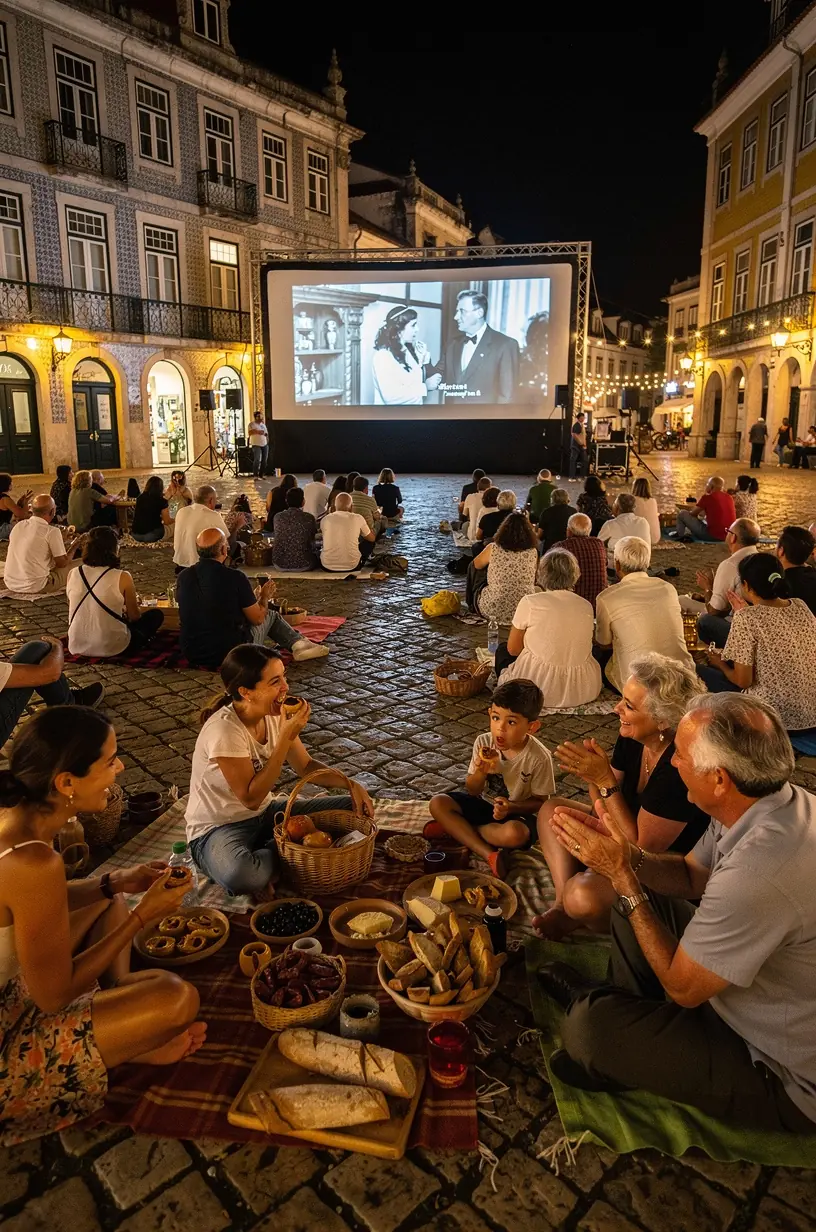
"Cultural performances not only entertain but also educate and unite communities, preserving their unique identities."
Planning the Event
Effective planning is crucial for the success of any cultural performance. Here are some key steps:
- Define Your Objectives: Understand the goals of your event. Are you aiming to raise awareness of a particular tradition, or are you focused on community engagement?
- Gather a Team: Building a team of volunteers and community members can enhance creativity and resourcefulness. Many users report that involving local stakeholders often leads to more vibrant, authentic performances.
- Select a Venue: Choose a location that is accessible and appropriate for the type of performance. Consider community feedback when selecting venues to ensure it meets the needs of participants.
Engaging Local Artists and Performers
One of the most enriching aspects of cultural performances is the involvement of local artists. Experts in the field recommend reaching out to local cultural organizations or art schools to identify talent. This approach helps to:
- Support Local Economy: Hiring local artists not only showcases their work but also contributes to the community’s economy.
- Enhance Authenticity: Local performers often bring genuine cultural expressions that resonate with the audience.
- Foster Community Pride: Engaging local talent can cultivate a sense of pride and ownership among community members.
Marketing Your Cultural Performance
Effective marketing strategies can significantly enhance attendance and participation. Consider the following:
- Utilize Social Media: Platforms like Facebook and Instagram are effective for promoting events. Research indicates that visual content can increase engagement by up to 80%.
- Collaborate with Local Businesses: Partnerships with local businesses can provide mutual promotional opportunities. Many successful events rely on local sponsorships for funding and visibility.
- Offer Incentives: Providing early bird tickets or discounts for families can encourage attendance and foster a sense of community.
Logistics and Execution
On the day of the event, attention to detail is essential. Consider the following logistic elements:
- Set Up Early: Preparing the venue well in advance allows for any last-minute adjustments and ensures a smooth experience for attendees.
- Manage Volunteers Effectively: Clear roles and responsibilities for volunteers can help maintain order and enhance the attendee experience.
- Gather Feedback: After the event, solicit feedback from attendees and performers. This information can be invaluable for future events and helps to understand what worked well and what didn’t.
Conclusion
Organizing cultural performances requires a blend of creativity, community involvement, and meticulous planning. By following the steps outlined in this guide—defining clear objectives, engaging local talent, and executing logistics effectively—you can create a memorable event that enriches your community and celebrates its cultural heritage. Remember, while challenges may arise, the rewards of fostering local traditions and bringing people together are well worth the effort.
Discover More