The Significance of Folklore in Regional Festivals
Folklore plays a vital role in enriching cultural festivals around the world, particularly in Portugal, where traditions are deeply woven into the fabric of community life. Understanding the significance of folklore in these events can illuminate how they foster local participation and cultural appreciation.
Understanding the Basics of Folklore
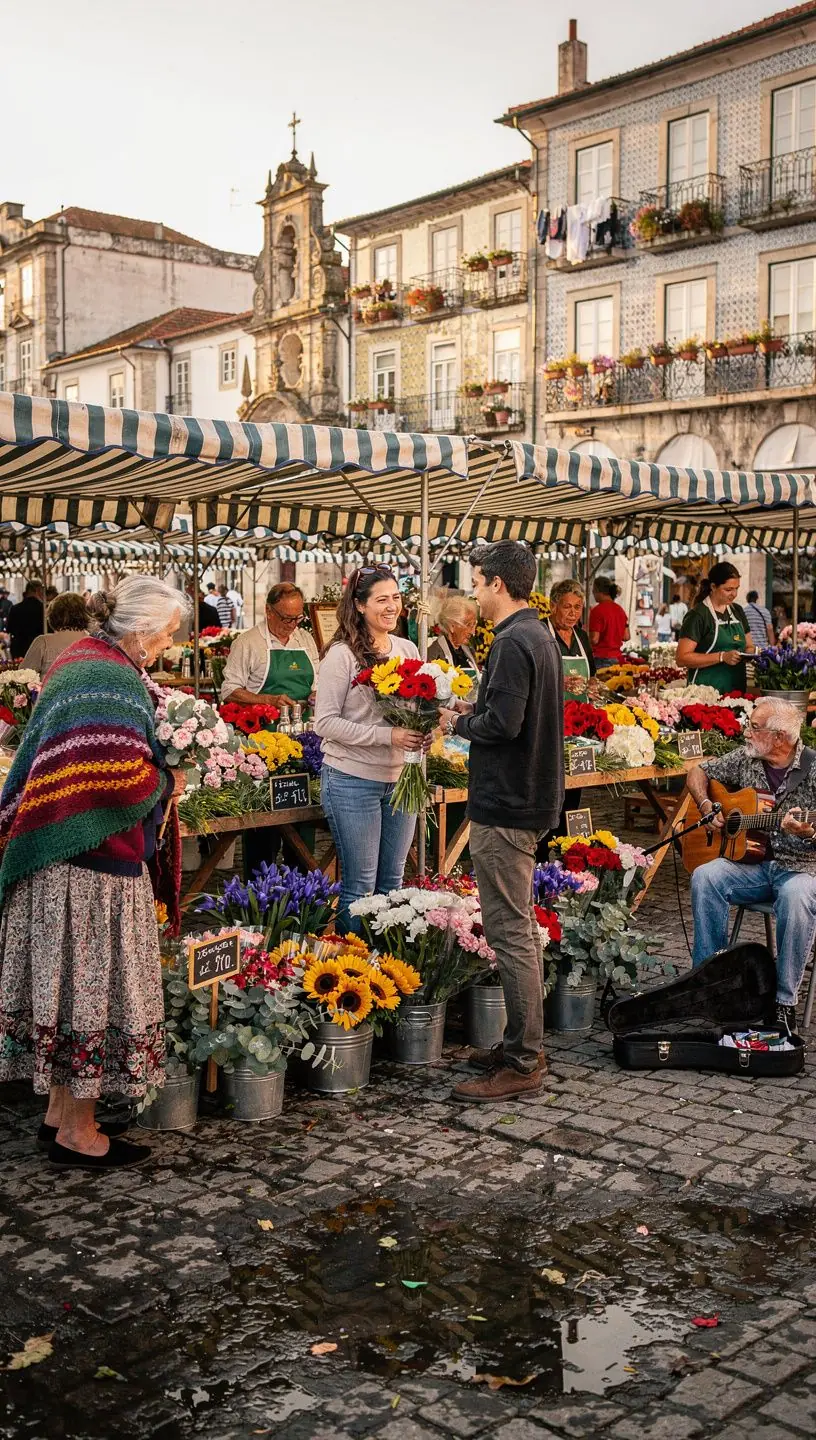
According to studies in cultural anthropology, folklore encompasses the traditional beliefs, customs, and stories of a community, often passed down through generations. These narratives serve as a medium for identity, helping communities articulate their values and history. Festivals often highlight this folklore, showcasing traditional music, dance, and crafts that resonate with local heritage.
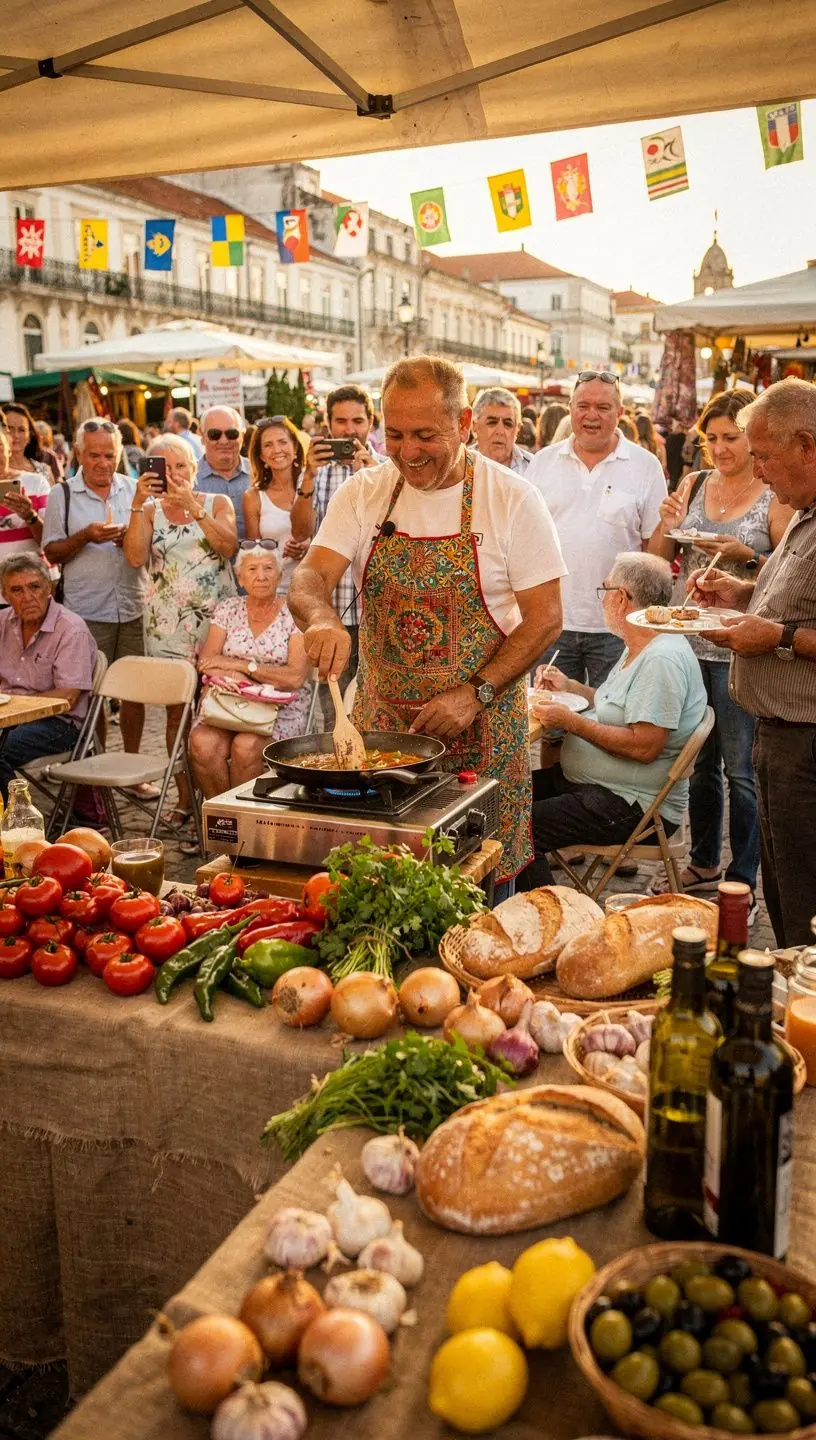
"Folklore not only preserves cultural identity but also strengthens community bonds through shared stories and traditions." - Cultural Expert
The Role of Folklore in Festivals
The integration of folklore into regional festivals is crucial for several reasons:
- Cultural Preservation: Many festivals aim to revive and maintain traditional practices that may otherwise be forgotten. This preservation is essential for younger generations to connect with their roots.
- Community Engagement: Festivals typically involve local participation, encouraging residents to engage with their culture actively. This involvement can foster a sense of belonging and pride.
- Educational Opportunities: Events that feature folklore often provide educational insights into cultural practices, allowing attendees to learn about the significance of various traditions.
Practical Application of Folklore in Events
To harness the power of folklore in regional festivals effectively, event organizers can follow these steps:
- Incorporate Local Narratives: Event planners should collaborate with local storytellers and artists to ensure that the narratives presented are authentic and representative of the community's heritage.
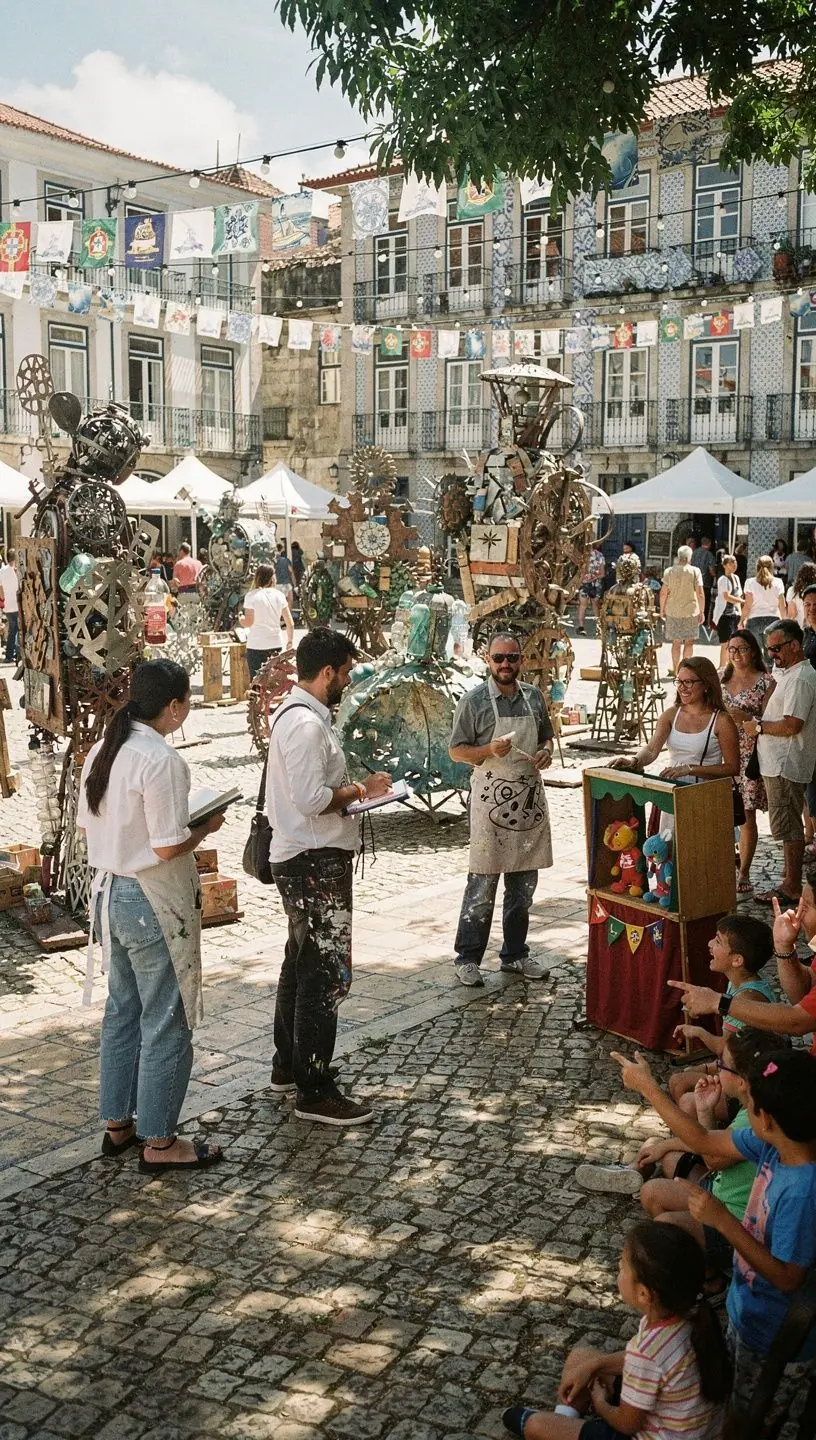
- Encourage Participation: Many users report that interactive elements, such as workshops and storytelling sessions, enhance engagement during festivals. These activities not only educate but also allow participants to contribute to the ongoing cultural narrative.
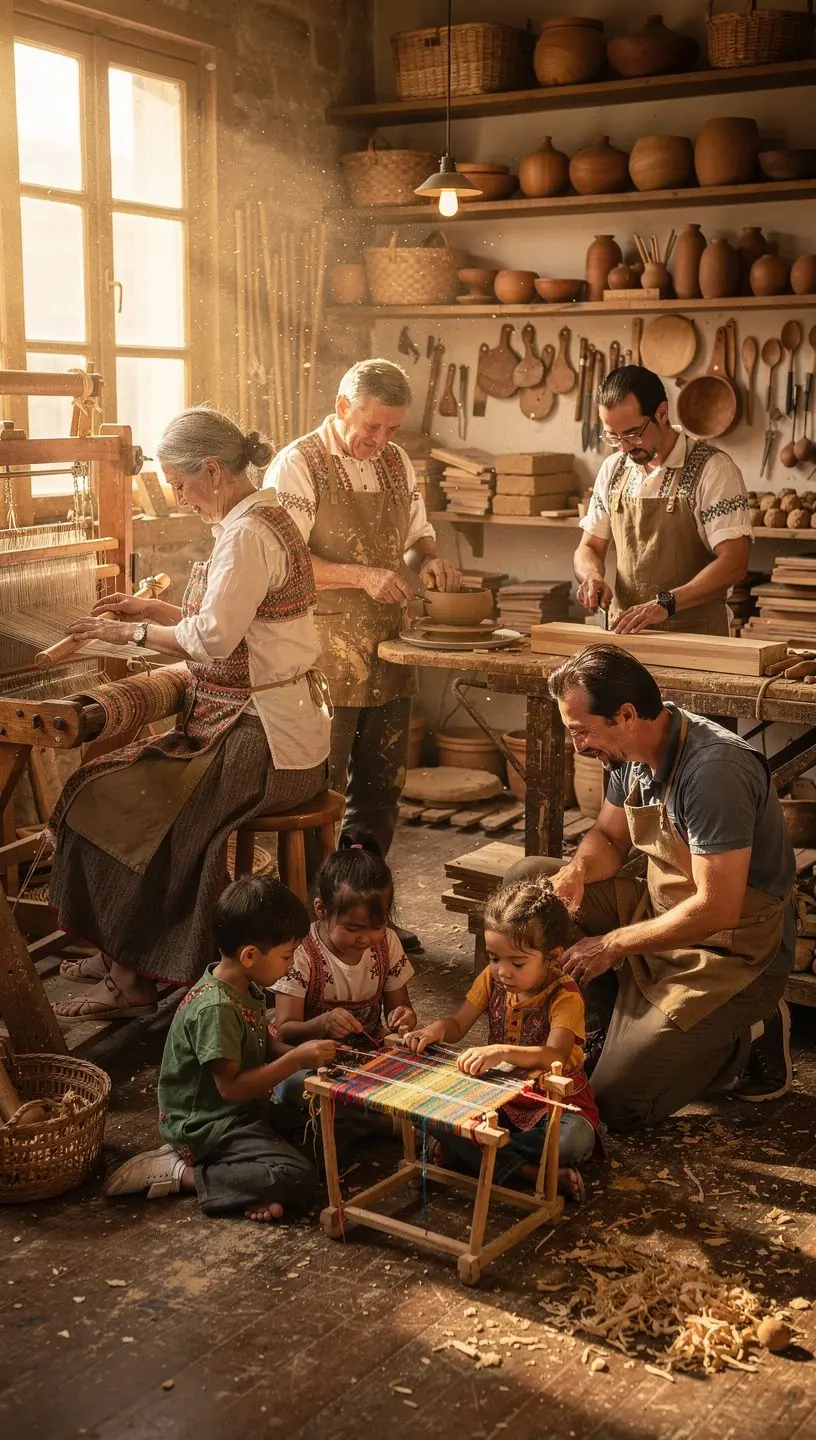
- Utilize Traditional Crafts: Showcasing local artisans and their crafts during festivals can help revive traditional skills and provide economic opportunities for community members. This approach works best when there is a balanced representation of both heritage and contemporary practices.
Acknowledging Limitations
While the integration of folklore can enrich festivals, it is essential to recognize that this process requires careful planning and dedication. Organizing these events often takes several months, and success may depend on the community's willingness to actively participate and share their traditions.
Conclusion
In summary, folklore is not just a collection of old tales; it is a living tradition that plays a critical role in regional festivals. By understanding its significance, cultural festival agencies can create events that not only celebrate local heritage but also foster community spirit and engagement. As Portugal continues to embrace its rich cultural diversity, festivals that highlight folklore can serve as a beacon for future generations, ensuring that their stories and customs endure.