A Guide to Curating Authentic Experiences at Festivals
Cultural festivals have become prominent venues for showcasing local traditions, art, and community spirit. This article provides insights into how festival organizers can curate authentic experiences that engage attendees and celebrate local heritage.
Understanding the Importance of Authenticity
According to industry experts, authenticity in cultural festivals is vital for creating memorable experiences. Authentic experiences typically involve genuine expressions of local culture, which enrich both the attendees' experience and the community's identity.
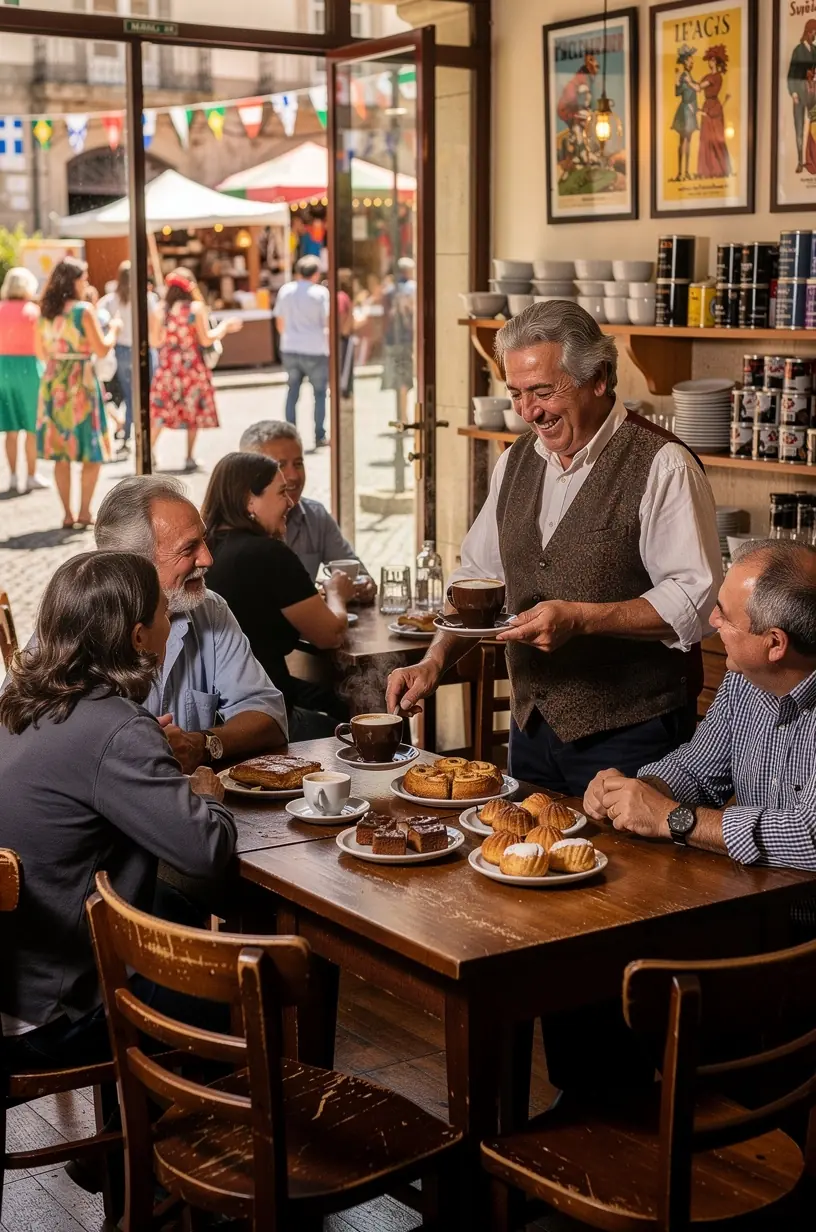
"Authenticity in cultural festivals fosters deeper connections between participants and their heritage, creating a lasting impact." - Cultural Studies Expert
Key Elements to Consider
When curating experiences at festivals, several key elements should be taken into account:
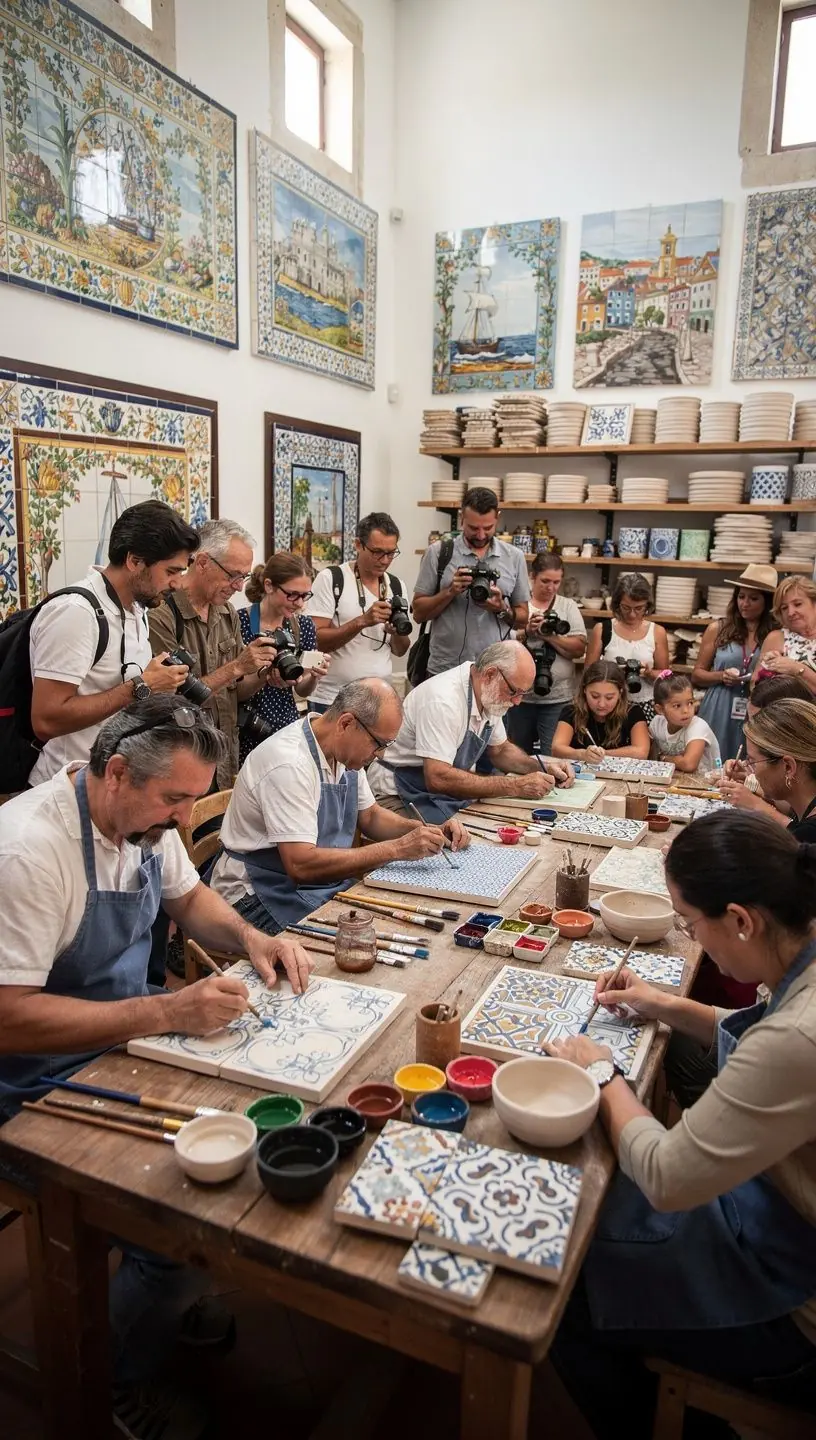
- Local Participation: Involving local artists, craftsmen, and performers not only showcases local talent but also encourages community ownership of the event.
- Traditional Markets: Offering a market that features local products helps to promote traditional crafts and foods, enhancing the festival atmosphere while supporting local economies.
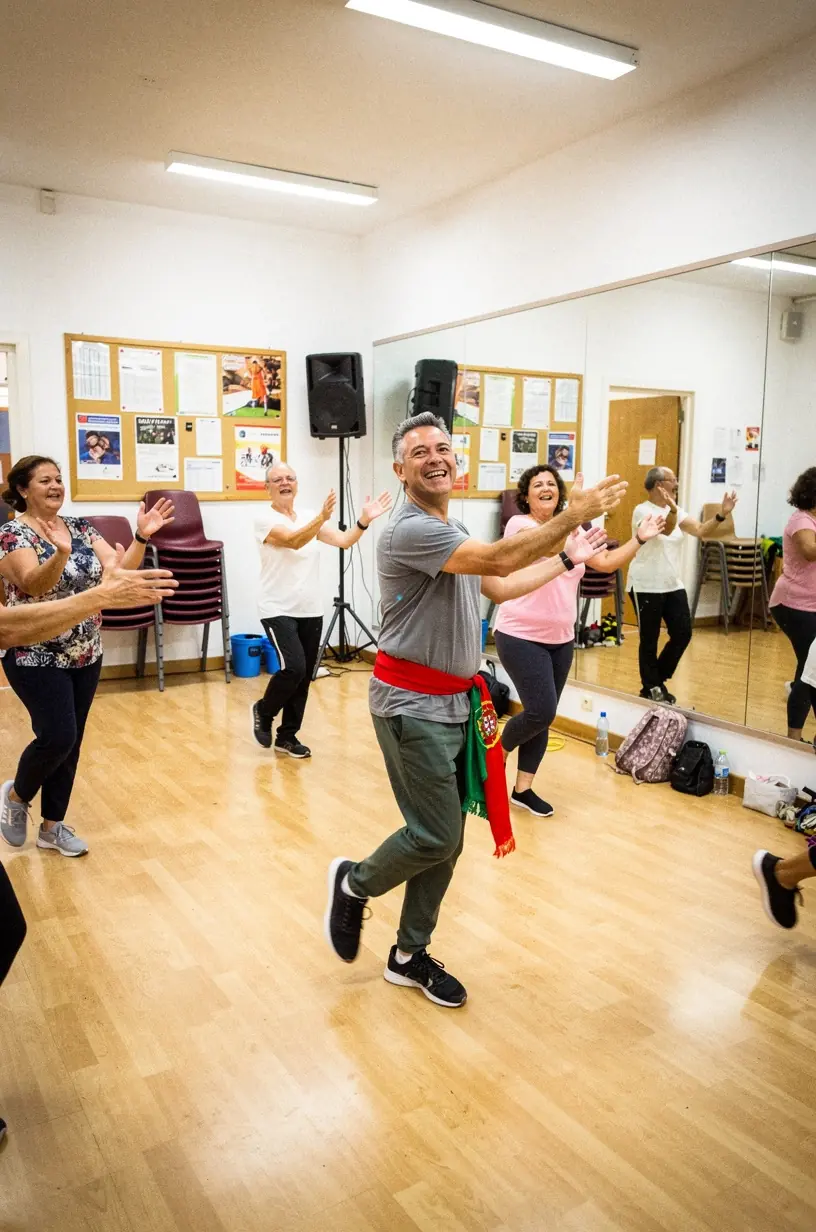
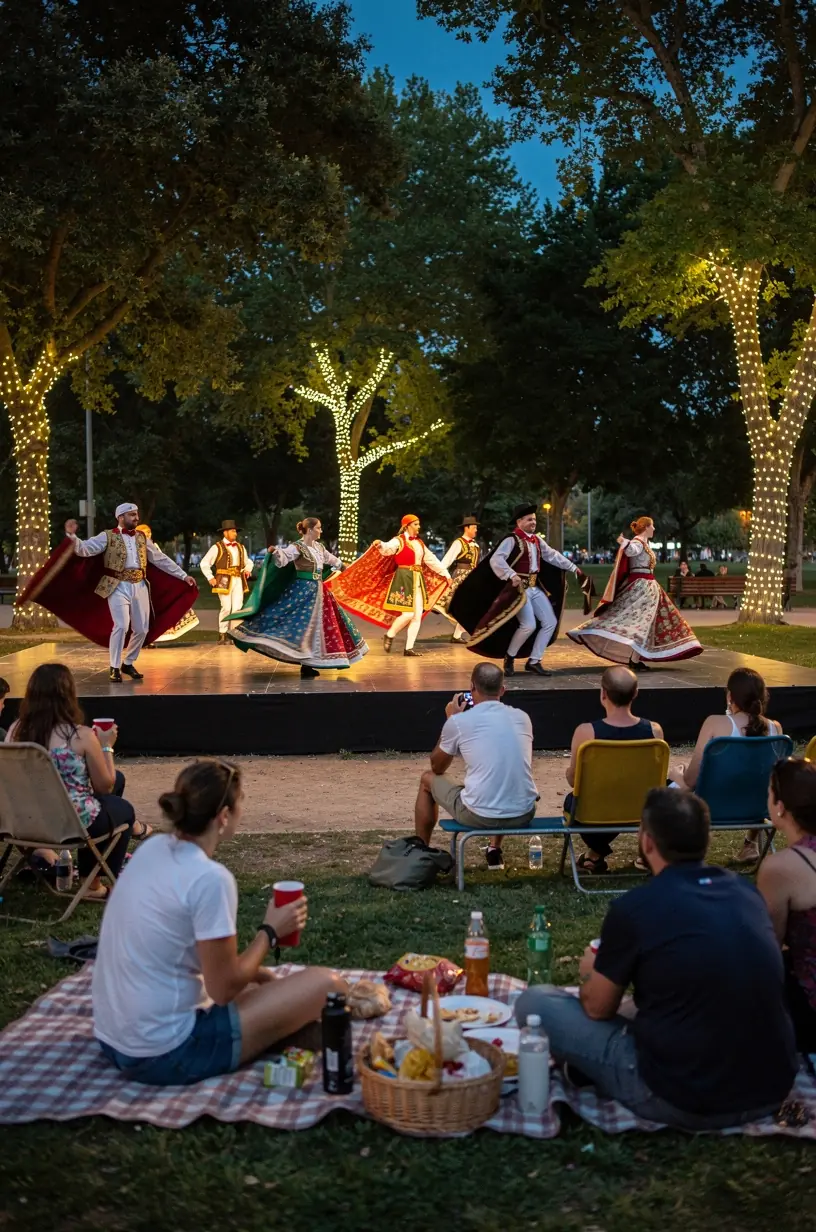
- Performances and Workshops: Including diverse performances and hands-on workshops allows attendees to immerse themselves in the culture, providing a richer understanding and appreciation of local traditions.
Curating Experiences: A Step-by-Step Approach
To effectively curate authentic experiences at festivals, consider the following steps:
- Conduct Research: Start by gathering information about local culture, traditions, and the community's preferences. Research indicates that understanding the demographic and cultural context can lead to more tailored experiences.
- Engage Local Stakeholders: Collaborate with community leaders, artists, and businesses early in the planning process. This involvement is crucial as it can help align the festival's goals with community expectations.
- Design an Inclusive Program: Create a balanced schedule that incorporates various cultural expressions, ensuring that different voices are represented. Studies show that diversity in programming can enhance attendee satisfaction.
- Gather Feedback: Post-festival evaluations are essential for understanding what worked well and what can be improved. Experts recommend using surveys or focus groups to gather insights from both participants and attendees.
Acknowledging Limitations
While these approaches can lead to successful festivals, organizers should be aware of certain limitations. Efforts to curate authentic experiences often require significant time and resources. For instance, community engagement and research typically take several months to yield comprehensive insights. Moreover, festival organizers must be prepared for varying levels of participation and interest from local stakeholders.
Conclusion
Curating authentic experiences at cultural festivals is a rewarding endeavor that can significantly enrich community engagement and cultural appreciation. By focusing on local participation, traditional markets, and diverse programming, festival organizers can create meaningful connections between attendees and the local culture. Remember, fostering authenticity is a gradual process that requires commitment and collaboration, but the rewards are well worth the effort.