Exploring the Diversity of Portuguese Cultural Traditions
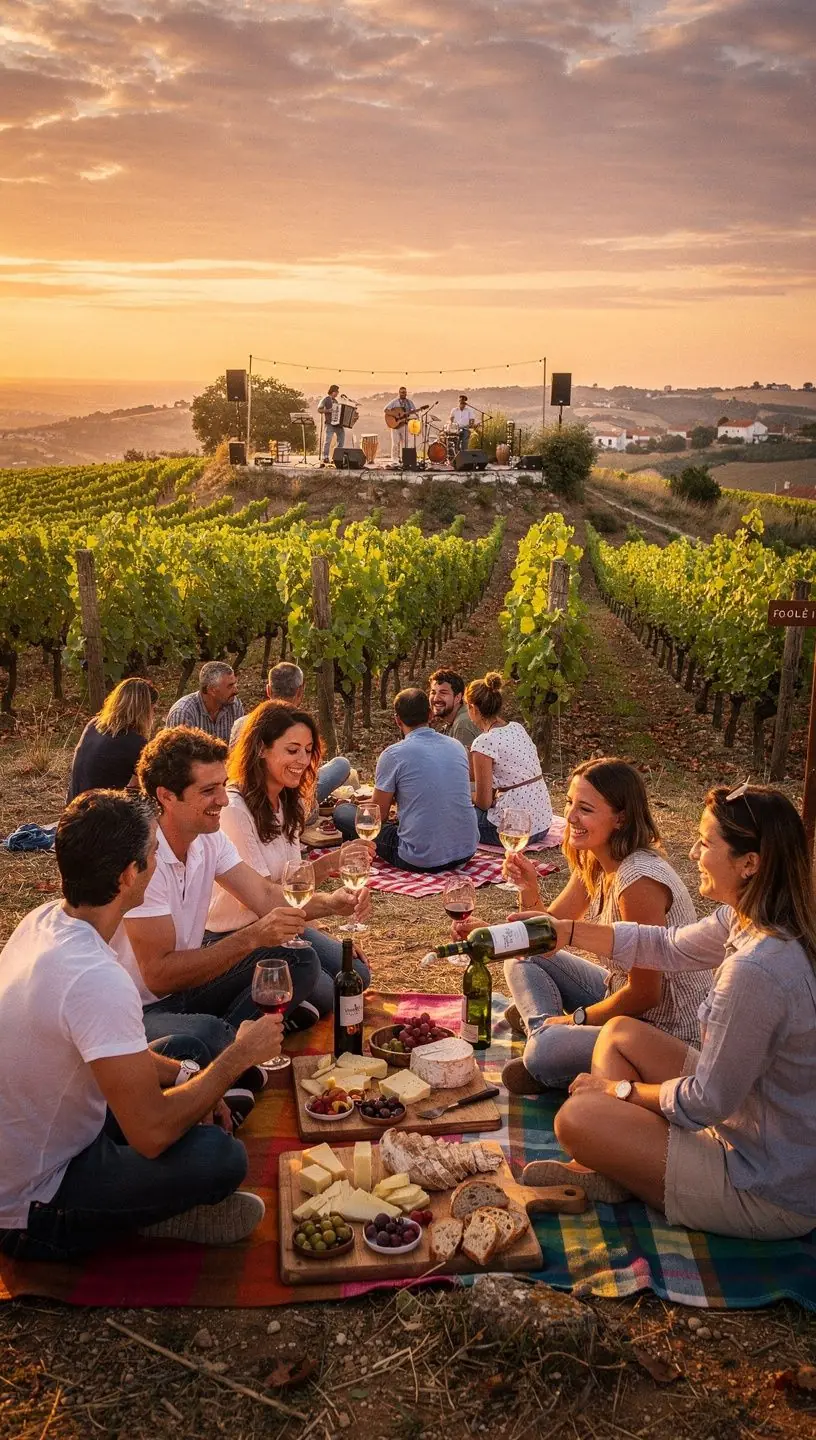
Portugal is a country rich in cultural heritage, with a variety of traditions that reflect its history, geography, and the influences of different peoples over time. This article aims to explore the diversity of Portuguese cultural traditions, highlighting the significance of local festivals, markets, and community participation.
Understanding the Cultural Landscape
The cultural identity of Portugal is often expressed through its traditional festivals, which are typically celebrated in towns and villages across the country. These events serve not only as a means of honoring historical figures and local legends but also play a crucial role in fostering community spirit. According to a report by the Portuguese Institute of Cultural Heritage, cultural events help in preserving traditions that might otherwise be forgotten.
"Cultural festivals are vital for maintaining social cohesion and sharing heritage among generations." - Cultural Heritage Expert
Key Traditions and Festivals
- Festa de São João: Celebrated in Porto, this festival involves vibrant street parties, music, and the unique tradition of hitting people on the head with plastic hammers, symbolizing good luck.
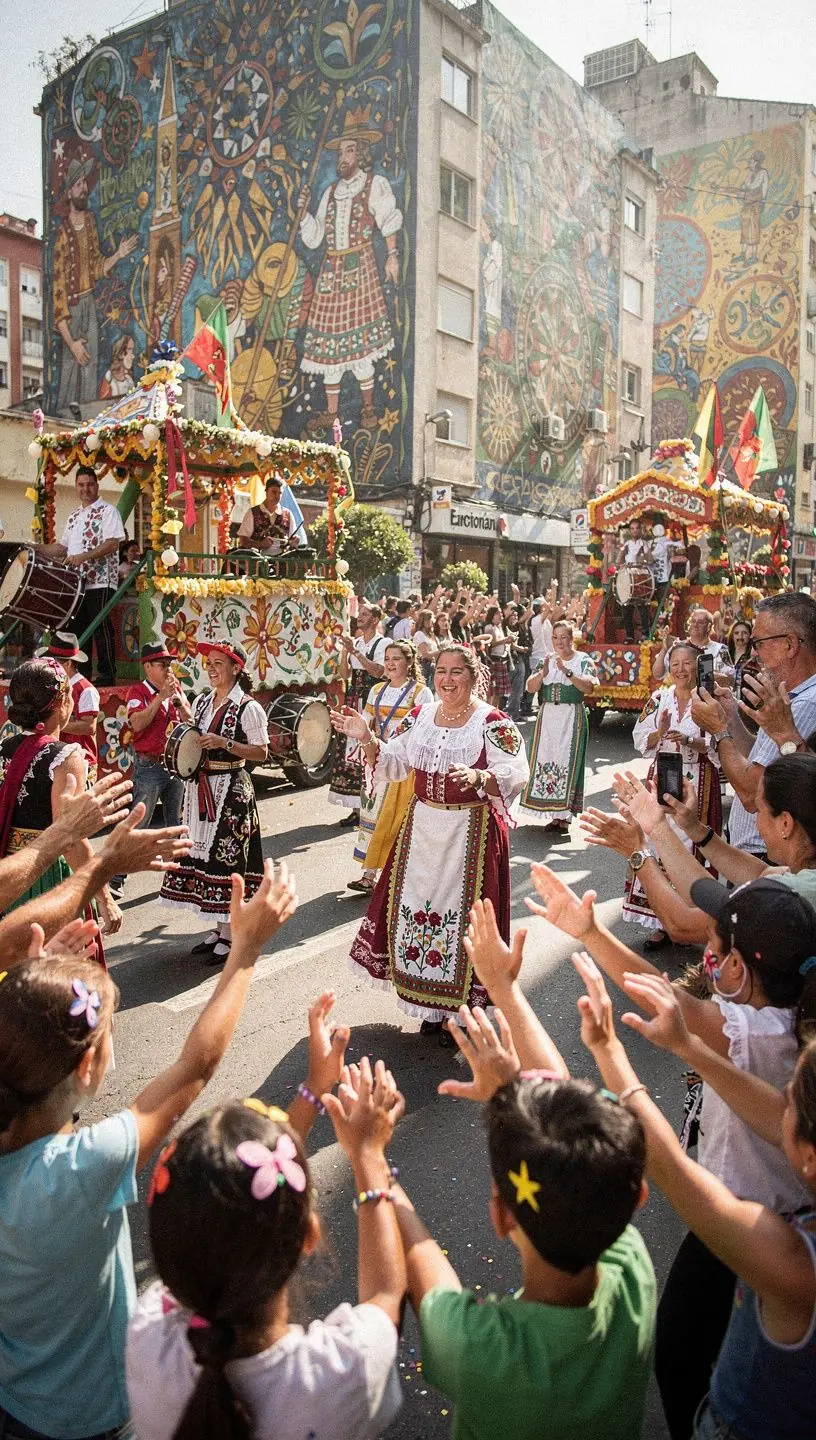
- Festa dos Santos Populares: Throughout June, cities like Lisbon and Coimbra host street parties filled with grilled sardines, folk music, and colorful parades, reflecting the joyous celebration of local culture.
- Romaria de Nossa Senhora da Agonia: Taking place in Viana do Castelo, this pilgrimage combines religious devotion with traditional dress and local crafts, showcasing the region's distinct heritage.
The Role of Local Participation
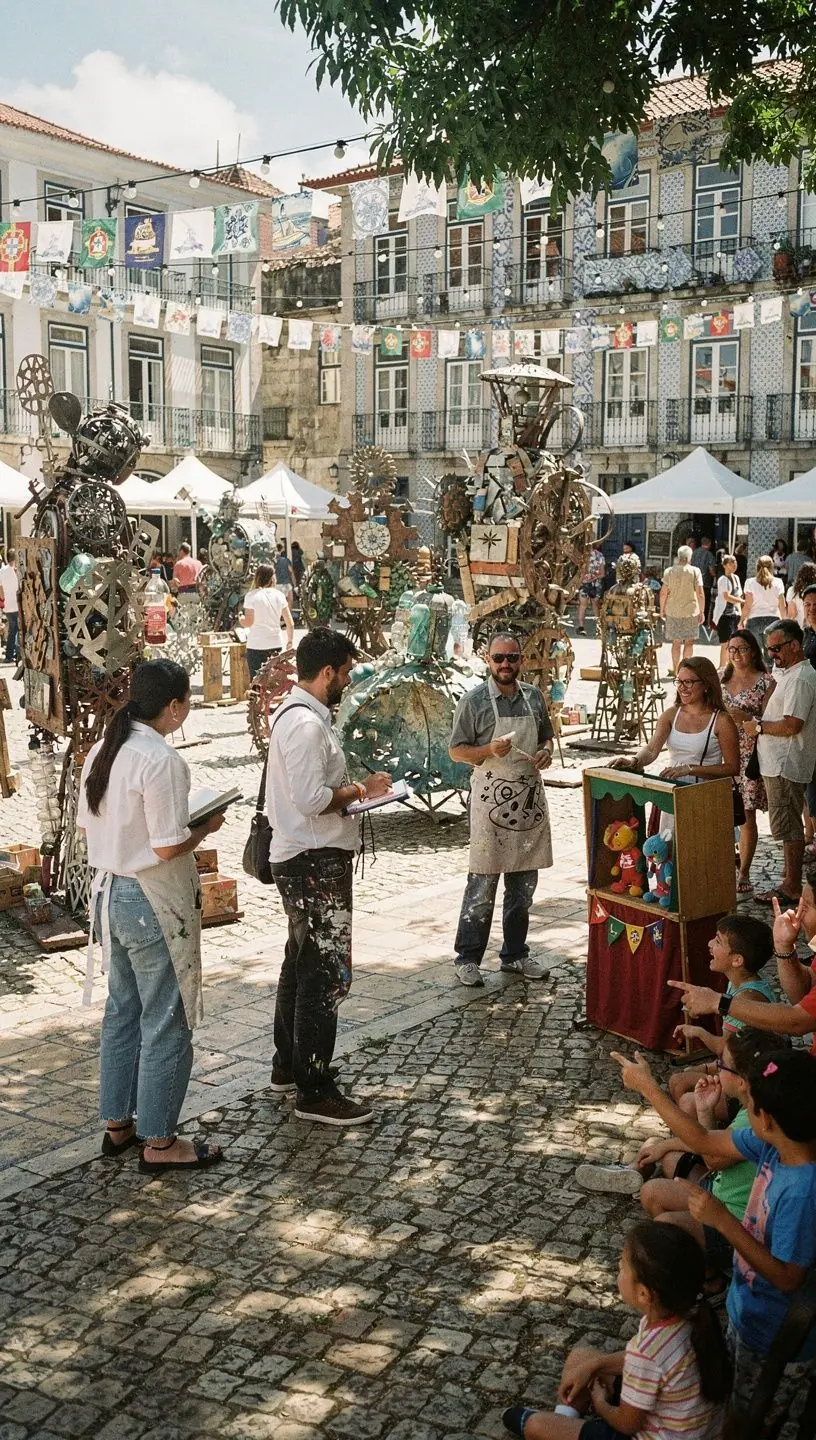
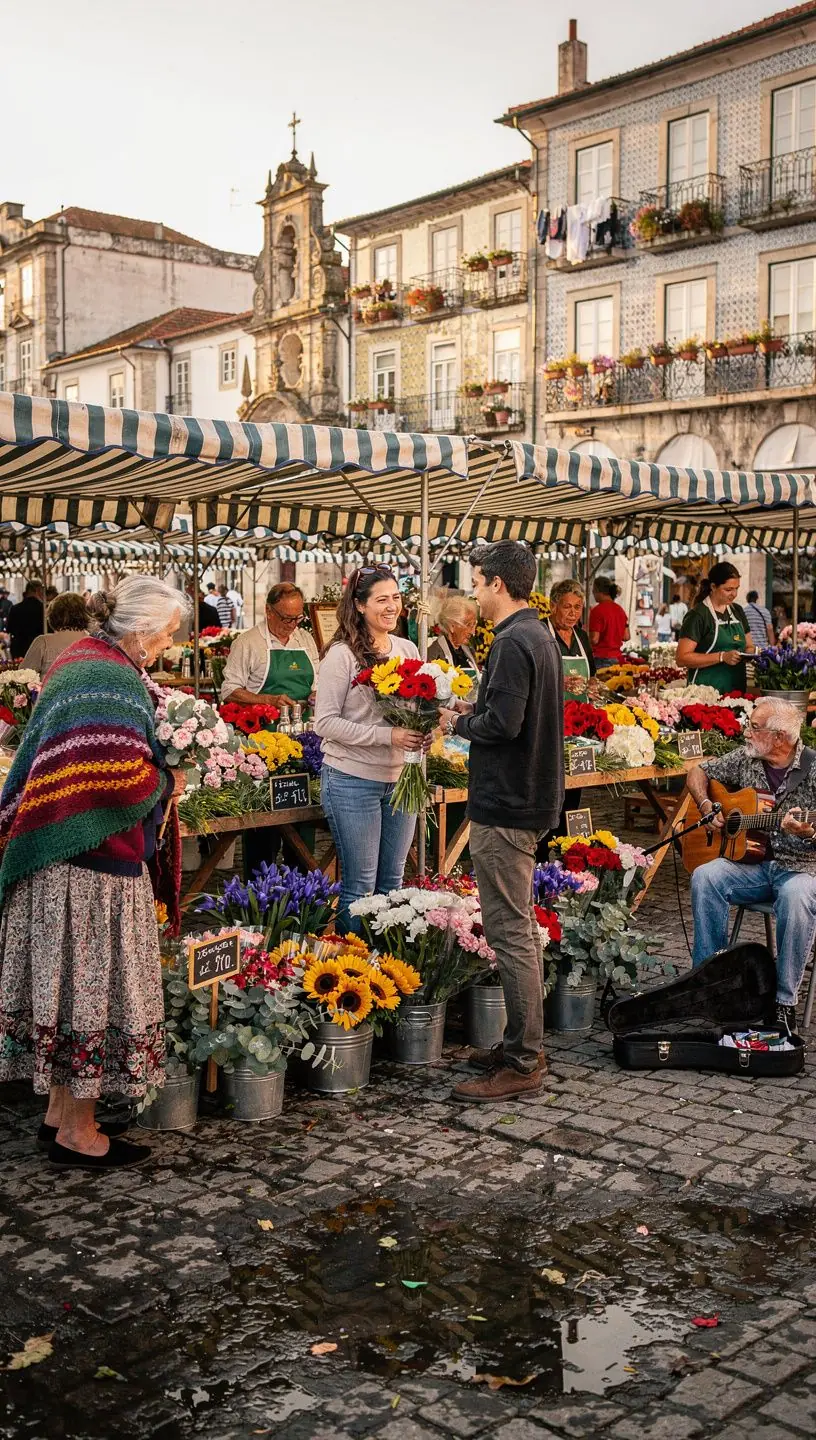
Local participation is a cornerstone of Portuguese cultural events. Many festivals rely on volunteers from the community to organize, participate in, and promote activities. Involvement in these events can vary from helping set up stalls at local markets to performing in traditional dances. Studies show that community engagement not only enriches the festival experience but also reinforces local pride and cultural education among younger generations.
Challenges and Opportunities
While Portuguese cultural traditions are rich and varied, they also face challenges. Urbanization and globalization have created a shift in how younger generations engage with their heritage. Experts recommend incorporating educational initiatives in schools to teach children about their cultural history. This may improve appreciation and involvement in traditional events.
Additionally, adapting festivals for broader audiences can enhance their appeal. This involves integrating modern elements or digital platforms for promotion, which could attract both locals and tourists. For example, research indicates that festivals that utilize social media for outreach often see an increase in attendance, as they capture the interest of a younger demographic.
Conclusion
Exploring the diversity of Portuguese cultural traditions reveals the importance of festivals as a celebration of heritage and community. While challenges exist in maintaining these traditions, proactive strategies that encourage local participation and education can foster a deeper appreciation for cultural practices. Ultimately, these efforts ensure that Portugal's rich cultural tapestry continues to thrive for future generations.
Discover More