Understanding Audience Participation in Cultural Events
Cultural festivals are not just celebrations; they are vibrant platforms for community engagement. Understanding how audience participation shapes these events is crucial for agencies looking to enhance their impact and foster local involvement.
The Role of Audience Participation
Audience participation is a fundamental aspect of cultural events, influencing both the experience and the overall success of the festivals. Typically, events that encourage active participation tend to create a more immersive environment, which can enhance cultural appreciation. According to research conducted by the International Journal of Cultural Studies, festivals that incorporate interactive elements see a notable increase in visitor satisfaction and repeat attendance.
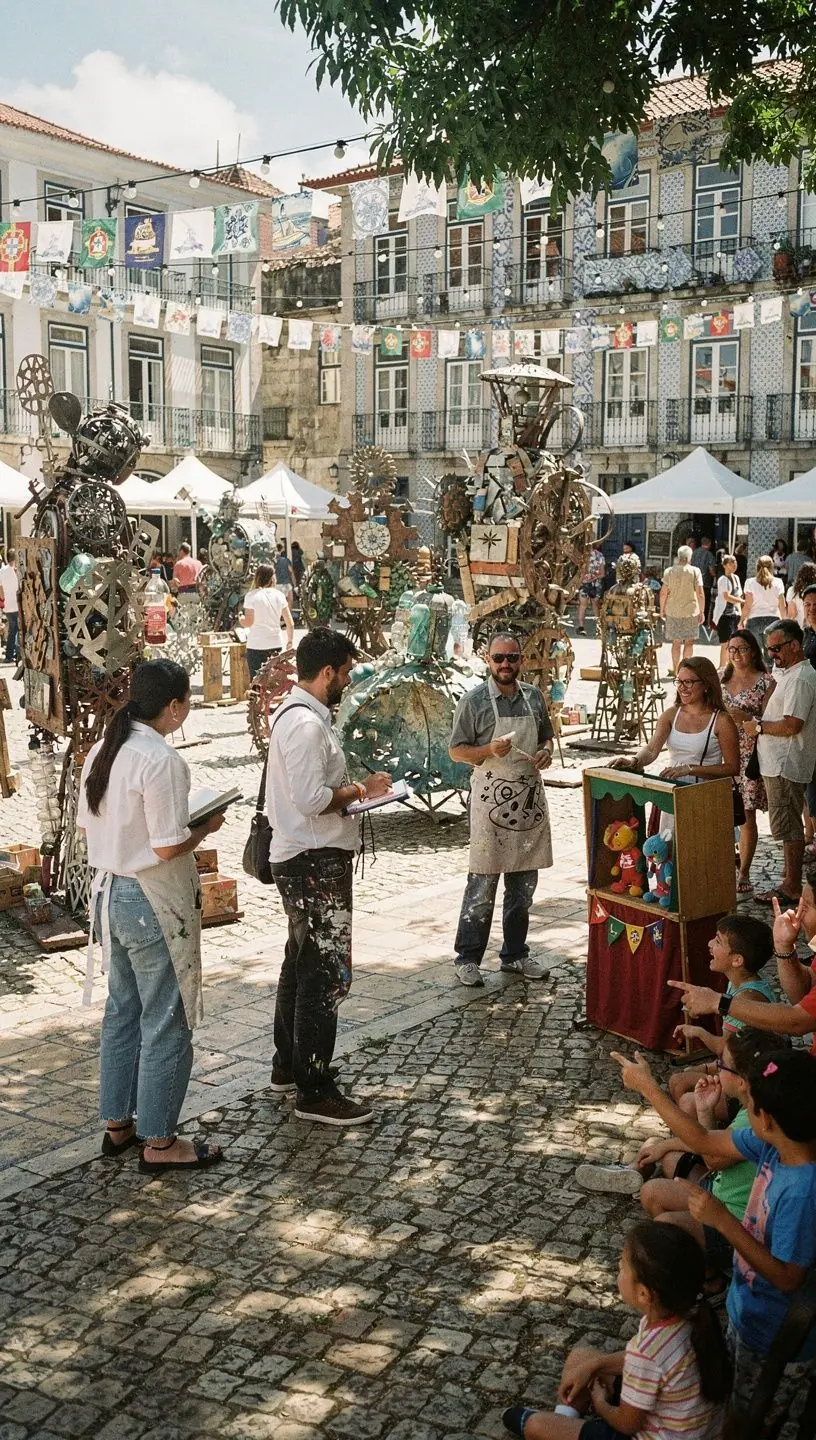
"Engaging the audience transforms a passive experience into an active celebration of culture, thereby fostering a sense of community." - Cultural Studies Expert
How Participation Enhances Cultural Understanding
Participation can take various forms, from hands-on workshops to performances and community-led activities. These experiences allow attendees to:
- Learn: Engaging directly with cultural practices helps participants gain deeper insights into traditions.
- Connect: Collaborative activities encourage networking and build community ties, which are essential for cultural continuity.
- Reflect: Participating in cultural expressions promotes reflection on personal and collective identities.
Methods to Foster Active Engagement
To effectively enhance audience participation in cultural festivals, agencies can employ several proven strategies:
- Interactive Workshops: Offering hands-on experiences where attendees can create or participate in traditional crafts or performances.
- Collaborative Performances: Inviting local artists and community members to co-create showcases can lead to richer, more authentic experiences.
- Feedback Mechanisms: Incorporating ways for attendees to share their experiences and suggestions can help organizers understand what resonates and where improvements are needed.
Challenges and Considerations
While fostering participation is beneficial, it is essential to acknowledge certain challenges:
- Time Commitment: Engaging the audience often requires significant planning and resources, typically taking weeks to implement effectively.
- Varied Interests: Not all audience members will be interested in the same level of participation, necessitating a diverse range of activities.
- Logistical Constraints: Space and resource limitations can impact the feasibility of certain participatory elements.
Conclusion
Understanding audience participation in cultural festivals is vital for agencies seeking to enrich their events. By employing effective strategies that focus on engagement, agencies can create memorable experiences that resonate with community members and promote cultural heritage. While challenges exist, the benefits of increased participation often justify the effort, leading to a vibrant celebration of culture that is both educational and enjoyable.