Effective Strategies for Engaging Local Volunteers
Engaging local volunteers for cultural festivals is essential for creating vibrant, community-driven events. This article explores effective strategies to recruit and retain volunteers, ensuring successful participation and meaningful experiences.
Understanding the Importance of Local Volunteers
Local volunteers play a crucial role in the success of cultural festivals. According to research conducted by the National Council for Voluntary Organizations, over 80% of volunteers report that their experiences enhance their sense of community and connection. Engaging local individuals not only supports event logistics but also fosters a sense of ownership and pride in the cultural heritage being celebrated.
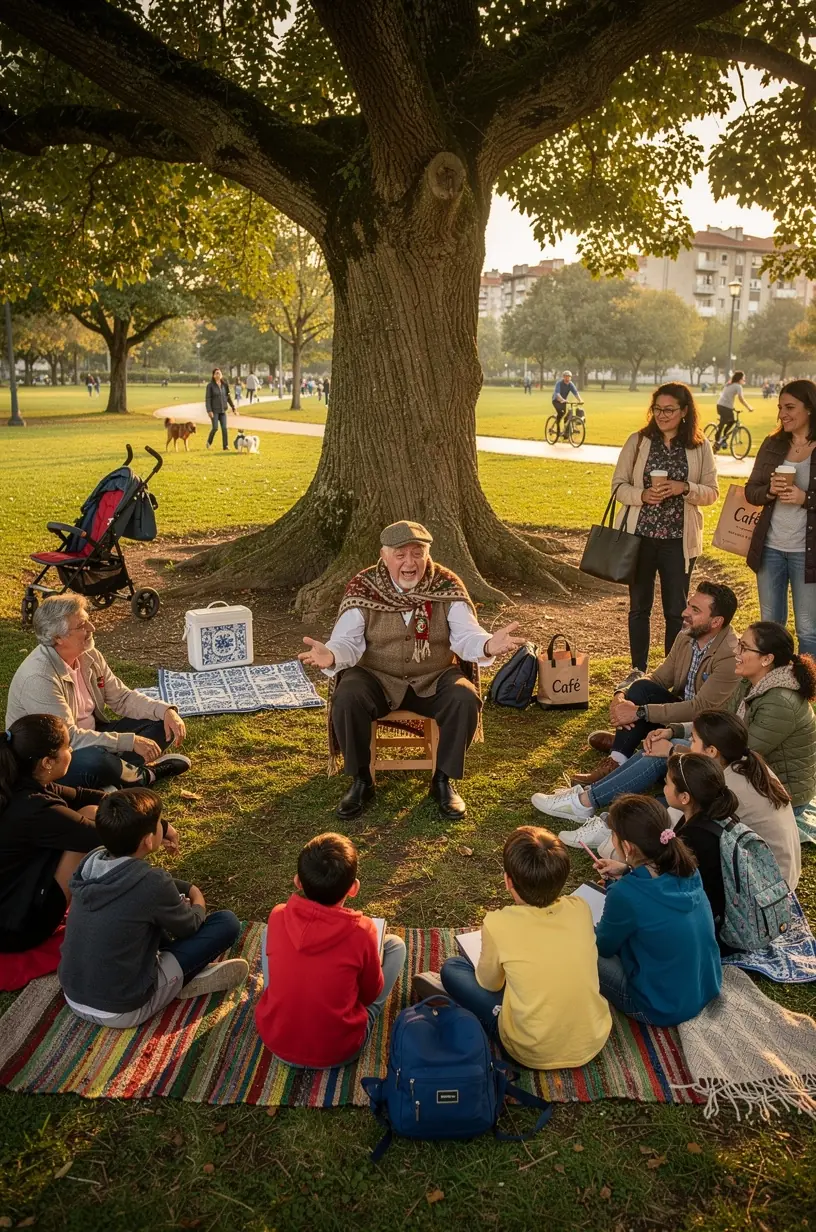
"When local volunteers are involved, festivals become more than just events; they turn into community celebrations that reflect shared values and traditions."
Strategies for Effective Engagement
To successfully engage local volunteers, cultural festival agencies can implement several proven strategies:
- Clear Communication: Providing transparent information about roles, expectations, and the overall mission of the festival can significantly improve volunteer engagement. Experts recommend holding an initial orientation meeting to clarify these points.
- Flexibility and Inclusivity: Many volunteers have varying schedules and capacities for commitment. Offering flexible volunteer slots or roles that cater to different skill sets can attract a broader range of participants. Research indicates that inclusivity often leads to higher volunteer retention rates.
- Recognition and Appreciation: Acknowledging the efforts of volunteers is vital. Studies show that individuals are more likely to return if they feel valued; thus, recognizing their contributions publicly and providing small tokens of appreciation can go a long way.
Building a Community Around Volunteering
Creating a sense of community among volunteers is essential for long-term engagement. Here are some effective practices:
- Regular Social Events: Hosting informal gatherings can help build relationships among volunteers, making them feel more connected. This works well because an engaged volunteer community tends to be more motivated and committed.
- Training and Development Opportunities: Offering training related to the festival can enhance volunteer skills while reinforcing their commitment. According to reports from industry experts, opportunities for personal development often increase volunteer satisfaction.
- Feedback Mechanisms: Implementing systems to gather feedback can help volunteers feel heard and valued. Many users report that when their input leads to changes, it significantly enhances their overall experience.
Challenges and Considerations
While the strategies above are effective, it's important to acknowledge certain limitations and challenges:
- Engaging volunteers typically requires dedicated time for recruitment, training, and management, which can take 4-6 weeks.
- Not all strategies will work for every festival or community. Each event will have its unique characteristics that may influence volunteer dynamics.
- Some volunteers may have varying levels of commitment or experience; hence, it's essential to tailor roles accordingly.
Conclusion
Engaging local volunteers is a vital component of successful cultural festivals. By implementing clear communication, fostering community, and recognizing contributions, agencies can enhance participation and create a more meaningful experience for everyone involved. While challenges exist, the rewards of cultivating local engagement can significantly enrich cultural celebrations, reflecting the true spirit of the community.
Discover More