How to Document a Cultural Festival: Best Practices
Documenting a cultural festival is an enriching experience that can help preserve traditions, celebrate local culture, and foster community engagement. This article outlines best practices for effectively capturing the essence of these vibrant events.
Understanding the Basics of Cultural Documentation
Documenting a cultural festival involves more than just taking photos or recording performances. It requires a thoughtful approach to understand how and why these events are significant to local communities. According to industry experts, effective documentation can highlight the unique elements of cultural heritage and promote greater appreciation among participants and observers.
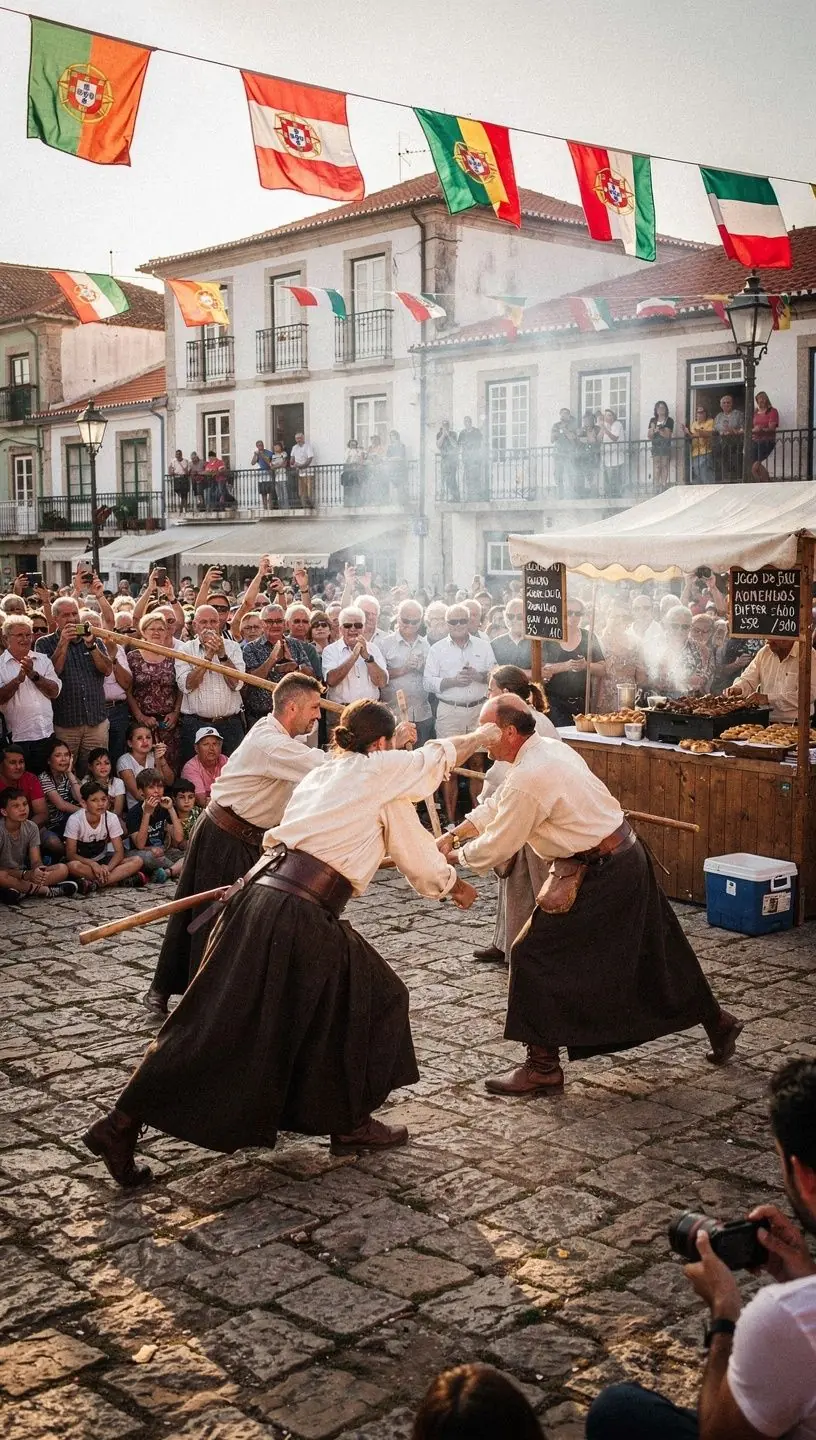
"Cultural documentation not only preserves traditions but also encourages community pride and participation." - Cultural Heritage Expert
Planning Your Documentation Strategy
Creating a solid documentation strategy is crucial for capturing the essence of a cultural festival. Here are key components to consider:
- Define Your Goals: Before the event, outline what you aim to achieve. Are you focusing on visual storytelling, collecting oral histories, or documenting specific performances? Research suggests that setting clear objectives can enhance the quality of your documentation.
- Engage with the Community: Involve local participants in your documentation process. Many users report that community engagement leads to richer content as it captures diverse perspectives and experiences. Establishing rapport often results in more authentic stories.
- Utilize Diverse Media: Combine photographs, videos, and written narratives. Studies show that using multiple formats can provide a more comprehensive view of the festival’s atmosphere and activities.
During the Festival: Key Focus Areas
While the festival is in progress, consider these practical steps to enhance your documentation:
- Capture Live Performances: Record performances as they happen. This serves not only as entertainment but also as a resource for future generations. Ensure you have permission and respect performers' wishes regarding their work.
- Interview Participants: Conduct short interviews with visitors, performers, and organizers. This adds depth to your documentation. According to research, personal stories can create a more meaningful narrative for the audience.
- Document Cultural Artifacts: Take note of traditional items showcased at the festival. Provide context about their significance, as many attendees appreciate learning about the cultural history behind these artifacts.
Post-Festival: Finalizing Your Documentation
Once the festival concludes, it’s essential to compile and present your findings thoughtfully:
- Edit and Curate Content: Review your footage and notes to create a cohesive narrative. Experts recommend curating content that not only showcases the event but also tells a story about the community and its traditions.
- Share with the Community: Distributing your documentation back to the community fosters engagement and appreciation. Consider hosting a small screening or publishing an online blog to share your experiences and insights.
- Seek Feedback: Ask community members for their thoughts on your documentation. This could help improve future projects and strengthen community ties. Engaging in feedback sessions often leads to deeper understanding and collaboration.
Conclusion
Documenting a cultural festival is a rewarding endeavor that can strengthen community bonds and preserve cultural heritage. By following these best practices, you can create a meaningful record of these vibrant events. Remember, the goal is not just to document, but to honor and celebrate the traditions that make each festival unique.