The Influence of Social Media on Festival Participation
In recent years, social media has transformed how cultural festivals are organized and experienced, particularly in Portugal. This article explores the multifaceted influence of social media on festival participation, shedding light on both its benefits and challenges.
Understanding the Basics
Social media platforms such as Facebook, Instagram, and Twitter have become essential tools for cultural festival agencies. According to a study by Eventbrite, around 70% of event attendees report using social media to discover events. This shift indicates that many users now rely on these platforms for information about local festivals, including schedules and special performances.
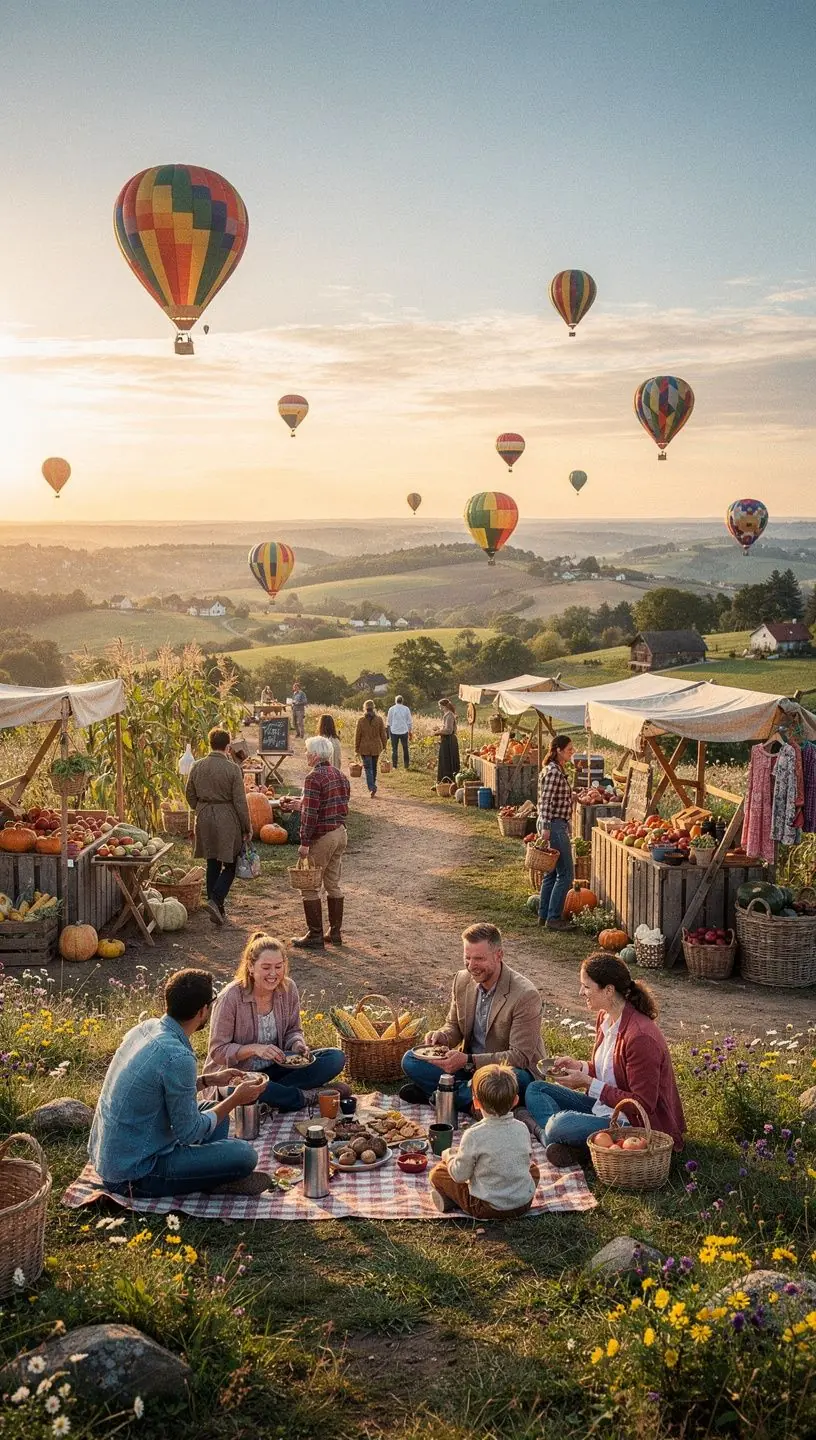
"Social media serves as a catalyst for community engagement, often leading to increased participation rates at local festivals."
Benefits of Social Media for Festivals
Utilizing social media can offer several advantages for cultural festivals:
- Enhanced Visibility: Social media posts can reach wider audiences through sharing, increasing the visibility of festivals. Research shows that festivals promoting their events online often see a boost in attendance.
- Real-Time Engagement: Platforms allow for instant communication with potential attendees, enabling festival organizers to share updates, respond to inquiries, and foster excitement.
- Targeted Marketing: Many social media platforms provide tools for targeted advertising, which can help reach specific demographics likely to attend particular events. This method can lead to better engagement and higher attendance rates.
Challenges of Social Media Influence
Despite its benefits, social media also presents challenges:
- Information Overload: With countless events vying for attention, users may feel overwhelmed, leading to decision fatigue. Experts suggest that festival organizers should focus on clear messaging to avoid confusion.
- Dependence on Algorithms: Social media algorithms can limit the organic reach of posts, meaning that not all followers will see the updates. This can be mitigated by regular engagement and promoting posts to ensure visibility.
- Negative Feedback: While social media enables communication, it also opens the door for public criticism. Studies show that festivals receiving negative feedback often struggle to recover their reputation, emphasizing the need for effective complaint management.
Practical Application for Festival Organizers
To effectively leverage social media, festival organizers can adopt the following strategies:
- Develop a Content Calendar: Planning social media posts in advance enables consistent engagement. Typically, a calendar would include updates leading up to the event, reminders during the festival, and follow-up content to maintain interest.
- Encourage User-Generated Content: Many festivals benefit from encouraging attendees to share their experiences online. This can create a sense of community and increase authenticity, as potential attendees often trust peer recommendations.
- Monitor and Adapt: Regularly reviewing social media analytics can help organizers understand what types of content resonate with their audience. This iterative process allows for adjustments that can enhance future engagement.
Conclusion
The influence of social media on cultural festival participation is significant yet complex. By understanding both the advantages and challenges associated with social media, festival organizers can strategically enhance their outreach efforts. While results may not be immediate, employing effective social media strategies can lead to increased awareness and attendance over time, ultimately benefiting local communities.
Discover More