Understanding the Importance of Cultural Sensitivity in Events
Cultural festivals are essential in fostering community spirit and preserving traditions. However, organizing such events requires a deep understanding of cultural sensitivity to ensure respect for diverse backgrounds. This article explores the significance of cultural sensitivity in event planning and its impact on local participation.
Understanding Cultural Sensitivity
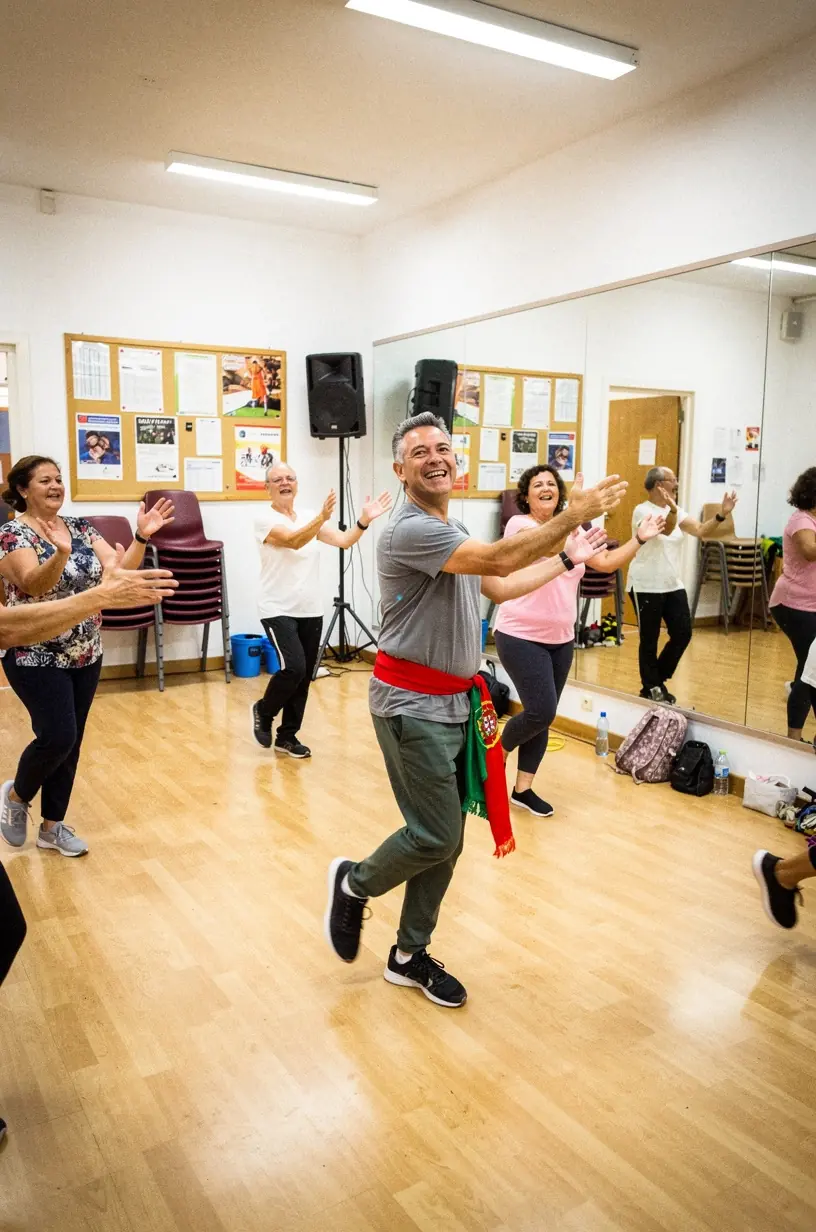
Cultural sensitivity involves recognizing and respecting the beliefs, practices, and values of different cultural groups. According to experts in the field of cultural studies, being culturally sensitive can enhance engagement and participation at events. This is crucial in Portugal, where numerous cultural festivals celebrate regional traditions, making it essential for organizers to consider the diverse backgrounds of their attendees.
"Cultural sensitivity is not just about tolerance; it’s about understanding and valuing diversity in a way that fosters inclusivity."
The Role of Cultural Sensitivity in Event Planning
When planning cultural festivals, event organizers should take several factors into account:
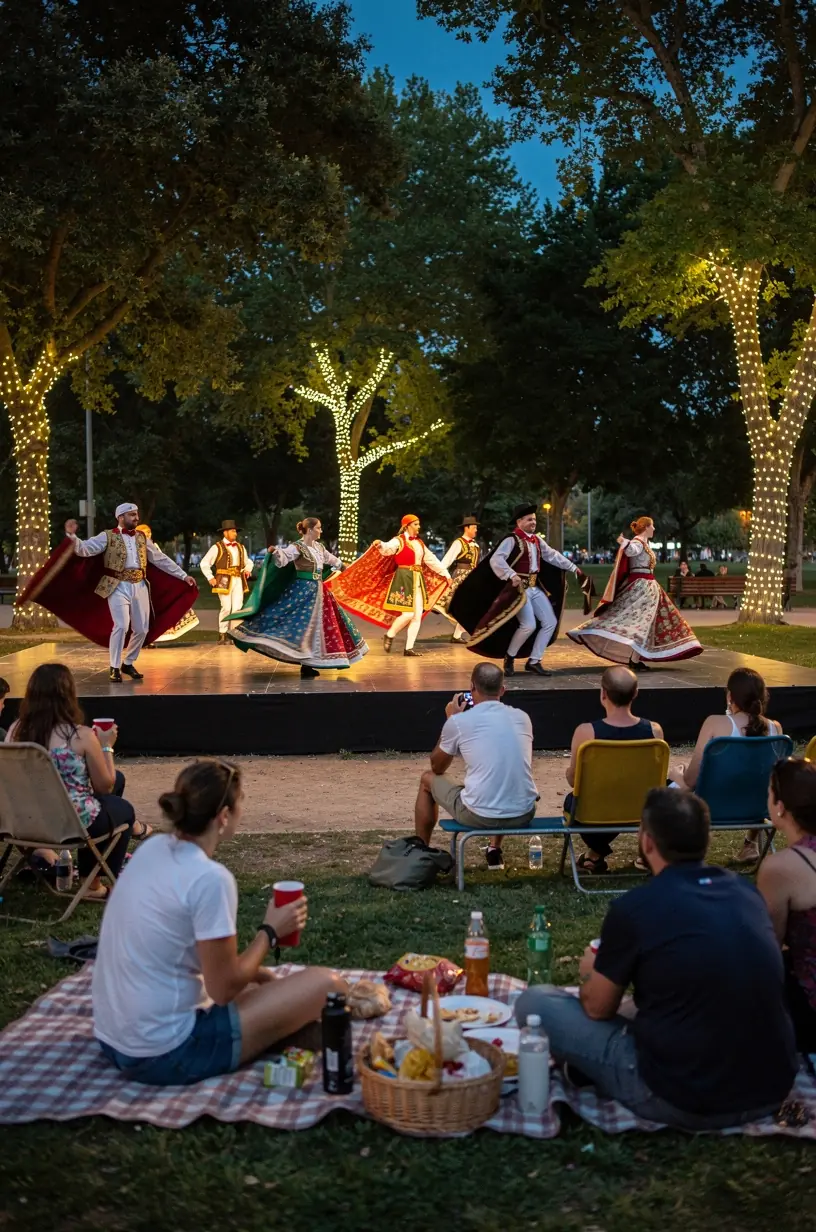
- Respecting Traditions: Events often involve traditional performances and customs. According to research by the International Festival and Events Association (IFEA), events that respect and incorporate local traditions tend to see a 30% increase in attendance.
- Engaging Local Communities: Involving local participants can create a sense of ownership and pride. Studies show that community involvement not only enhances the event experience but also strengthens cultural ties.
- Informed Marketing: Understanding the cultural context allows for more effective marketing strategies. Experts recommend tailoring marketing messages to resonate with the cultural values of the target audience.
Challenges and Limitations
While cultural sensitivity is critical, it also comes with challenges. Organizers must be prepared to invest time and resources into understanding the communities they aim to serve. This process typically takes several months of planning and requires ongoing dialogue with community leaders. Additionally, the learning curve can be significant, as organizers may need to adapt their strategies repeatedly based on feedback and interactions with diverse groups.
Practical Steps to Enhance Cultural Sensitivity in Events
- Conduct Research: Prior to planning, invest time in researching the cultural backgrounds of the communities involved. This may include studying local history, traditions, and even interviewing community members.
- Foster Collaboration: Partner with local cultural organizations or leaders who can provide insights and guidance. Their expertise can help ensure the event is culturally appropriate and engaging.
- Solicit Feedback: After the event, gather feedback from participants to understand their experiences. This will not only help improve future events but also demonstrate a commitment to cultural sensitivity.
Conclusion
Cultural sensitivity is a vital component in organizing successful cultural festivals. By respecting traditions, engaging local communities, and addressing potential challenges, event organizers can create inclusive and enriching experiences for all participants. These efforts not only enhance the cultural fabric of Portugal but also foster a sense of belonging and appreciation for diversity within the community.
Discover More