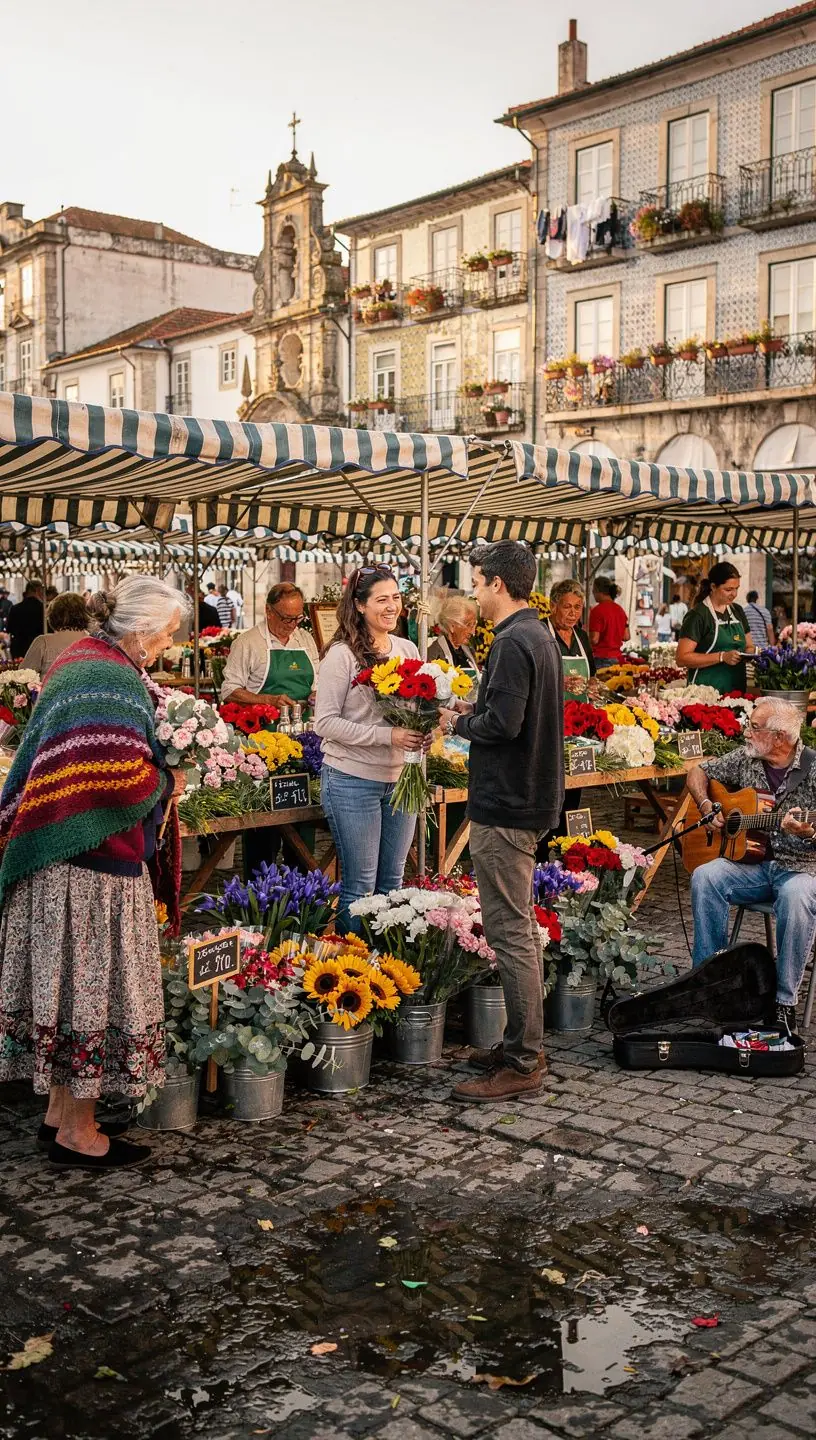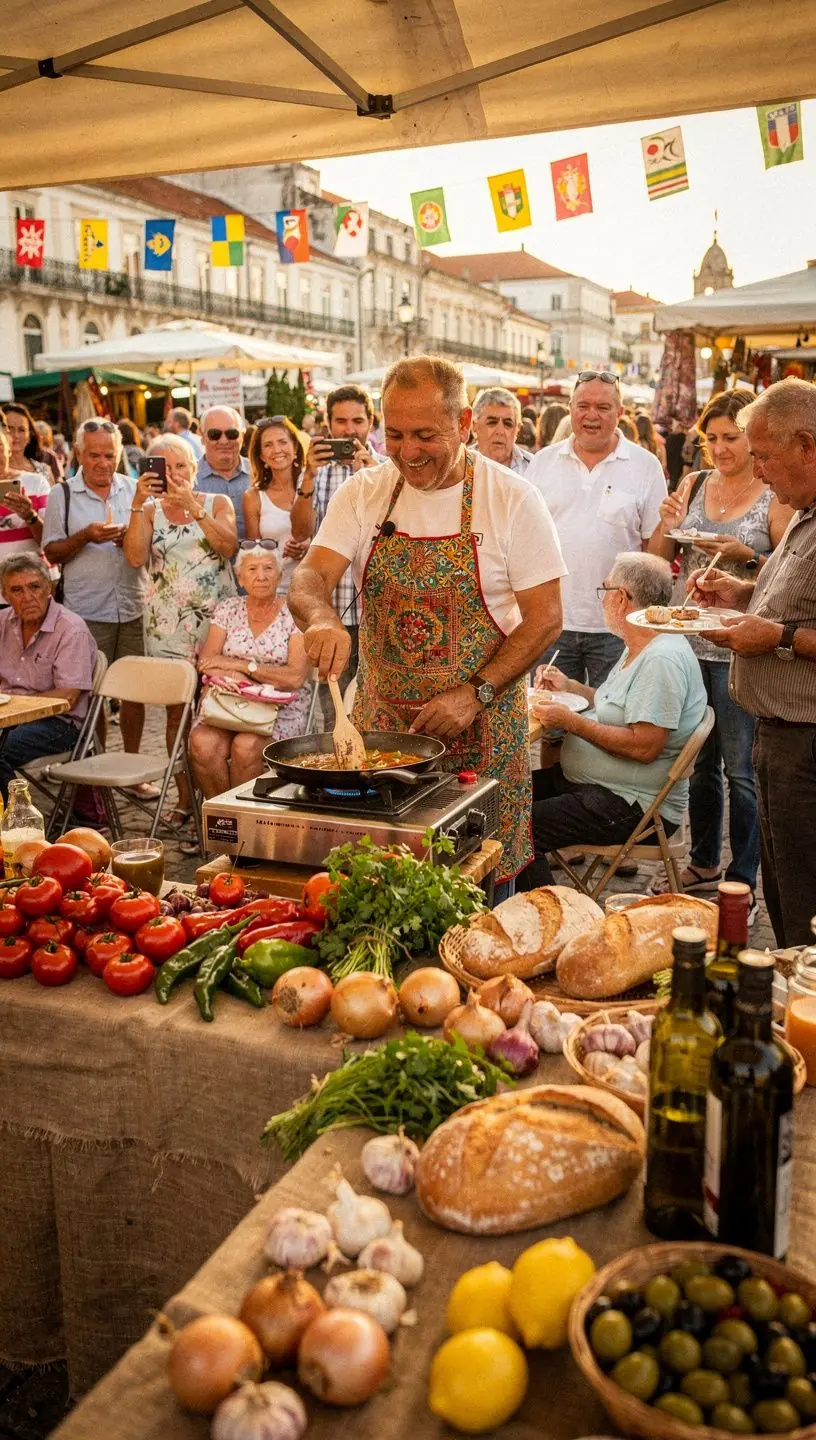
Understanding the Impact of Traditional Markets on Local Economies
Traditional markets are not just a delightful experience for visitors; they play a crucial role in enhancing local economies. This article explores how these vibrant spaces contribute to economic growth, foster community engagement, and preserve cultural heritage in Portugal.
Understanding the Basics
Traditional markets, often characterized by their local produce, handicrafts, and authentic culinary offerings, are significant to local economies. According to research by the European Commission, local markets can generate substantial economic activity, especially in rural areas where job opportunities may be limited. Typically, these markets create jobs not only for vendors but also for suppliers and service providers who support them.
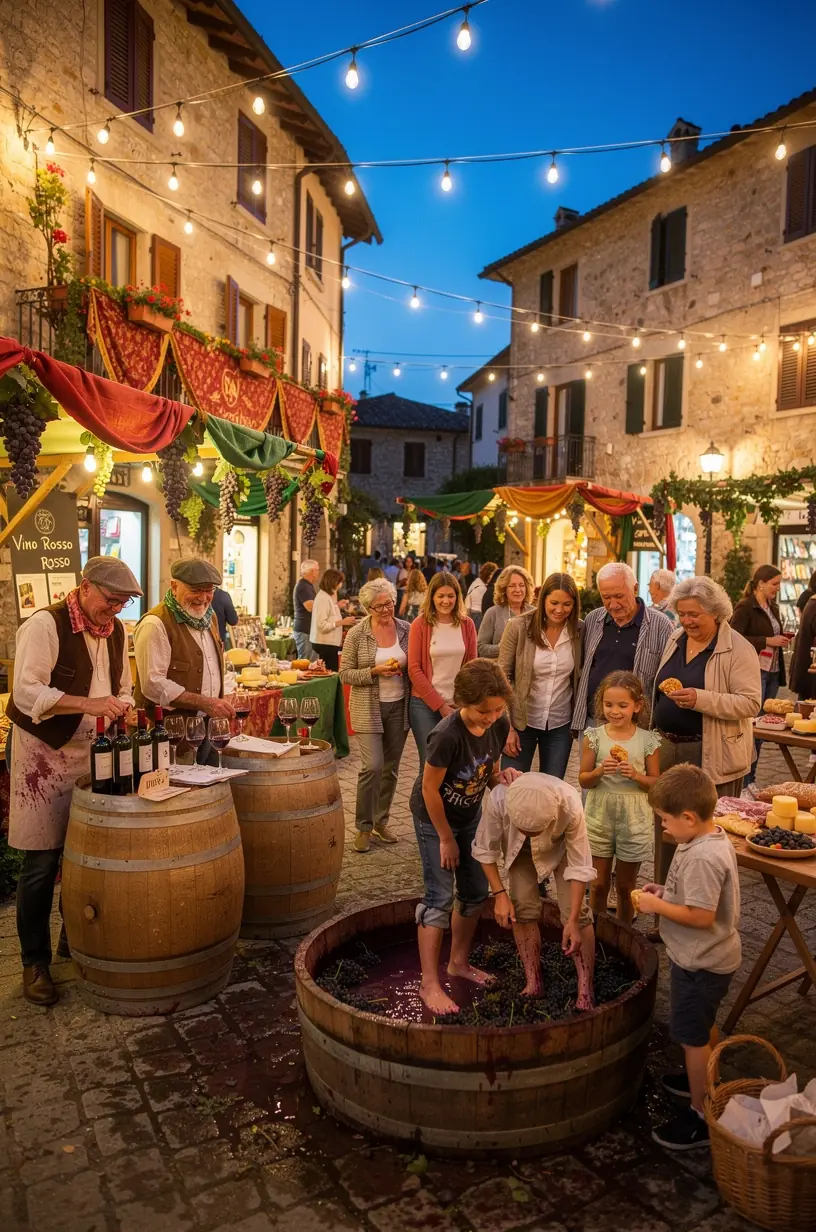
"Local markets are key players in community resilience, supporting economic diversification and cultural preservation." – European Commission Report
The Economic Contributions of Traditional Markets
There are several key ways traditional markets impact local economies:
- Job Creation: Studies show that markets can create employment opportunities within the community. Many vendors start as small business owners, which contributes to local job growth.
- Boosting Local Business: Traditional markets often encourage consumers to shop locally. Research indicates that when people buy from local vendors, approximately 67% of the money spent stays within the community, compared to only 43% for national retailers.
- Attracting Tourism: Many markets are frequented by tourists seeking unique cultural experiences. This not only brings in additional revenue but also promotes local culture and heritage, helping to sustain traditional crafts and foods.
Community Engagement and Cultural Preservation
In addition to their economic contributions, traditional markets serve as vital community hubs. They often host events, performances, and workshops that encourage local participation and foster a sense of belonging among residents. These gatherings can significantly enhance social cohesion, which is essential for community resilience.
Challenges Faced by Traditional Markets
While traditional markets provide numerous benefits, they also face challenges. Factors such as urbanization, changing consumer habits, and economic pressures can threaten their sustainability. For example, research indicates that many traditional markets struggle to compete with large supermarkets that offer lower prices due to economies of scale.
Moreover, maintaining the cultural essence of these markets requires dedication and effort from community members, local governments, and cultural organizations. This often involves organizing regular events and ensuring that local vendors receive adequate support.
Conclusion
Traditional markets are more than just places to shop; they are essential components of local economies in Portugal. By creating jobs, fostering community engagement, and preserving cultural heritage, these markets can significantly contribute to economic resilience and social well-being. As residents and stakeholders work together to support these markets, they can help ensure their sustainability for future generations.
Discover More