Exploring the Role of Local Artisans in Festivals
Festivals are vibrant celebrations that bring together community members, local culture, and traditional crafts. Understanding the vital role local artisans play in these events can enhance the experience for participants and organizers alike.
The Importance of Local Artisans
Local artisans contribute significantly to cultural festivals by showcasing their unique crafts which reflect the traditions and history of the region. According to studies, engaging local artists can increase festival attendance as visitors are often drawn to authentic, locally made products. This not only enriches the festival atmosphere but also supports the local economy.
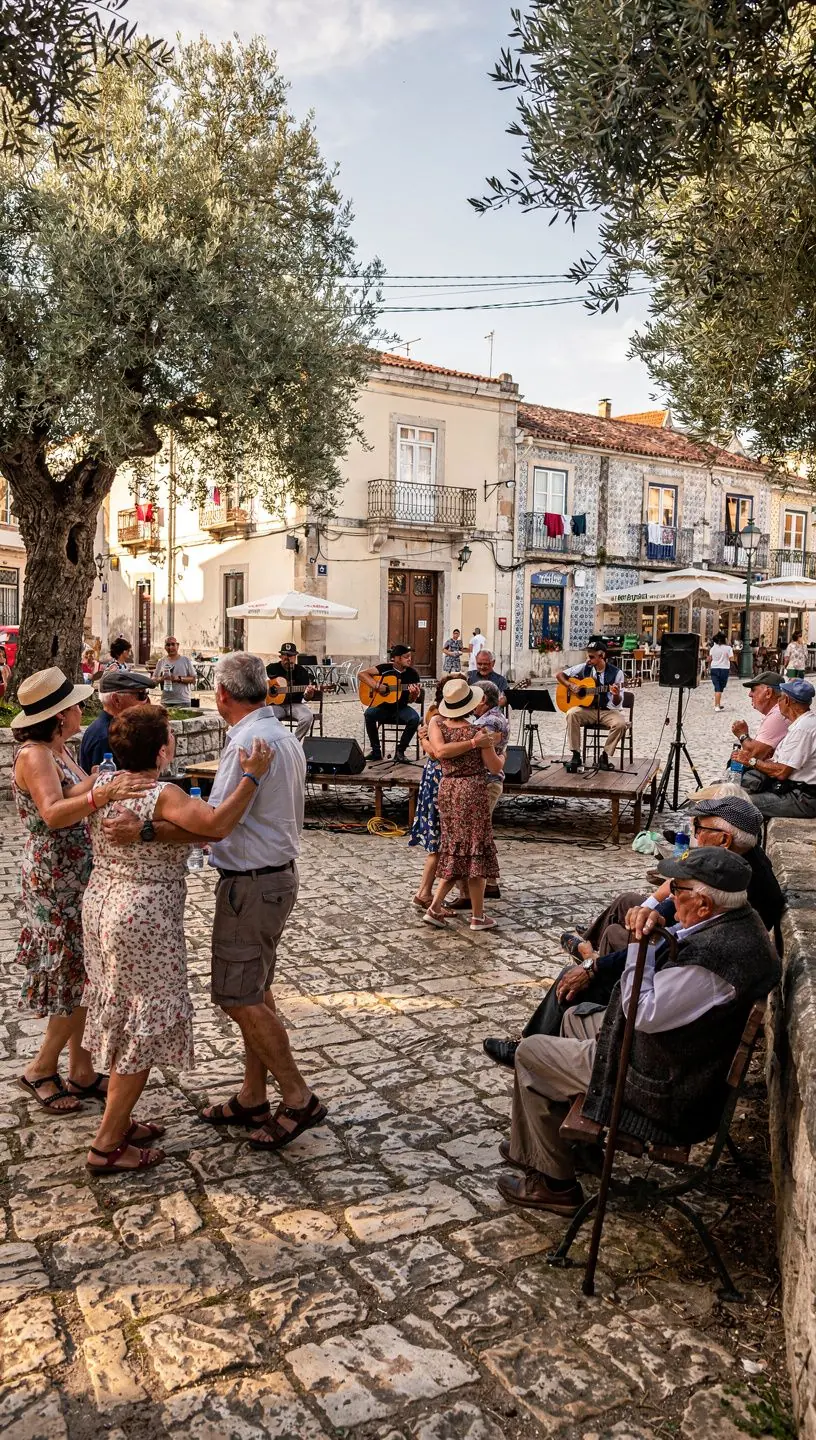
"Local artisans are the heart of cultural festivals, providing a unique connection to our heritage and community." - Cultural Expert
How Artisans Enhance Festivals
Artisans typically enhance festivals in several ways:
- Market Stalls: Artisans set up stalls to sell handmade goods, attracting crowds and providing festival-goers with opportunities to purchase unique items.
- Workshops: Many festivals include artisan-led workshops where participants can learn traditional crafts, adding an interactive element to the experience.
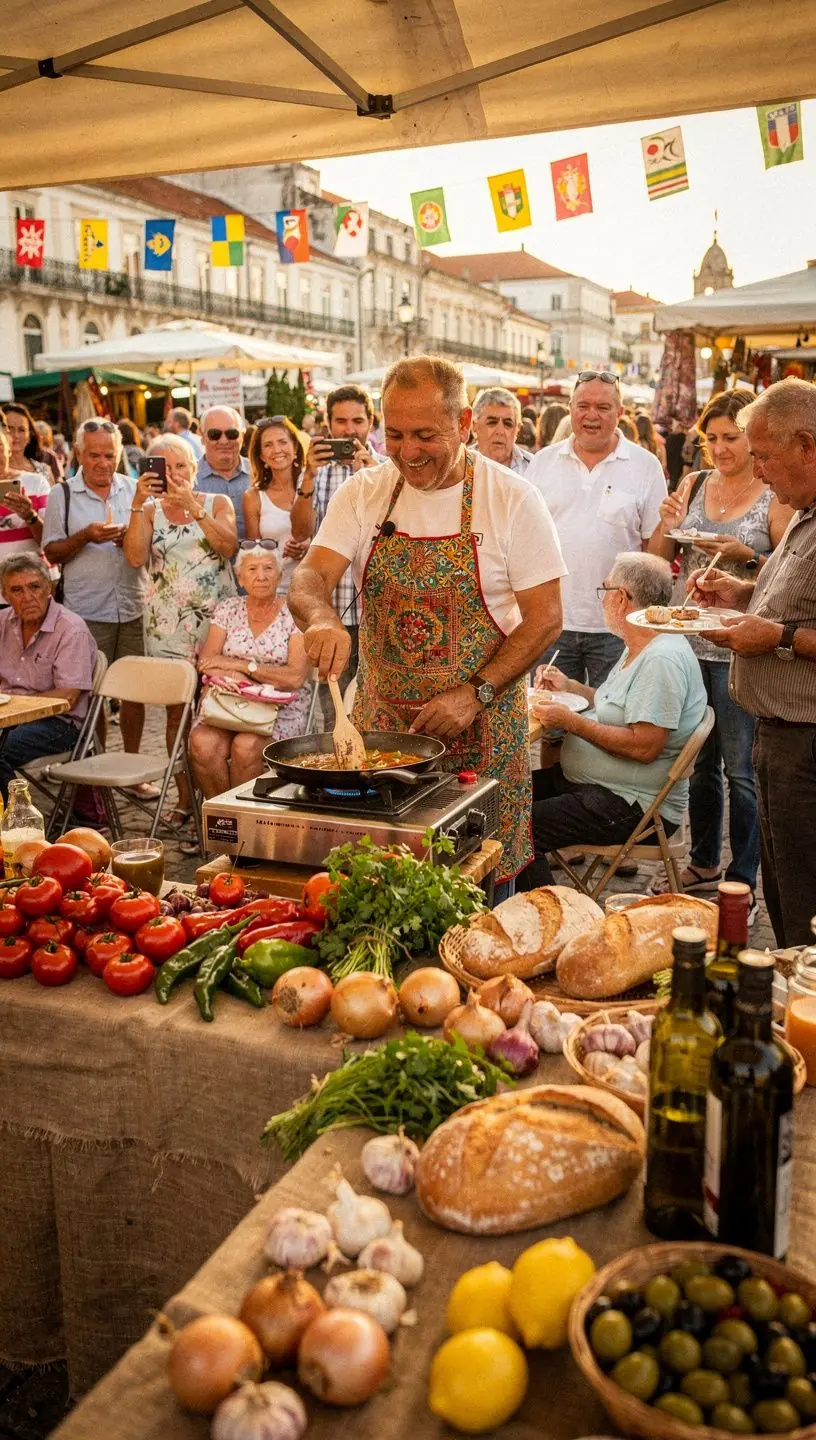
- Performances: Artisans often participate in live demonstrations, offering insights into their craft while entertaining attendees.
How Festivals Support Local Artisans
Festivals provide an essential platform for artisans to promote and sell their work. Experts recommend that festival organizers prioritize the inclusion of local artisans to create a more authentic experience. This can involve:
- Careful curation of artisan participants, ensuring a diverse range of crafts are represented.
- Providing adequate space and resources for artisans to showcase their work effectively.
- Implementing marketing strategies that highlight the artisan participation to attract more visitors.
The Challenges Faced by Local Artisans
While the benefits are substantial, local artisans often face challenges when participating in festivals. These may include:
- Time Commitments: Preparing for a festival can require significant time investment, typically involving weeks of planning and production.
- Financial Constraints: Many artisans operate on tight budgets, which can make it difficult to afford the costs associated with festival participation.
- Limited Exposure: Not all artisans receive equal opportunity to showcase their work, which can limit their visibility and sales potential.
Conclusion
Local artisans play a fundamental role in the success of cultural festivals. By showcasing traditional crafts and engaging visitors, they enhance the overall experience while preserving and promoting local heritage. Industry experts suggest that effective collaboration between festival organizers and artisans can lead to mutual benefits, fostering a thriving artistic community that enriches cultural celebrations.
Discover More